Discussion Post for MapSwipe Today and it’s future in OSM talk at SoTM US 2025

This week I’ve been mapping rural communities in Honduras, focusing on areas within the Tegucigalpa Health Region. My work has included adding paths, correcting road alignments, and identifying visible structures such as houses and community centers.
Today we at Unique Mappers did our weekly presentation were I made a presentation on Humanitarian Use of OpenStreetMap where i talked about OSM what it is why it is crucial in Humanitarian context how it provides critical data in poorly mapped or un mapped areas. I still talked about the basics( getting started with OSM), the intermediate OSM data use(Analysis and virtualization) and advanced used of OSM. I still talked about the tools and resources( software) used with OSM and example is the HOT tasking manager, QGIS [qgis.org], Umap and many other software, site, organisation using OpenStreetMap
Weekly Presentation
Today we at Unique Mappers did our weekly presentation were I made a presentation on Humanitarian Use of OpenStreetMap where i talked about OSM what it is why it is crucial in Humanitarian context how it provides critical data in poorly mapped or un …OpenStreetMap
Hi :)
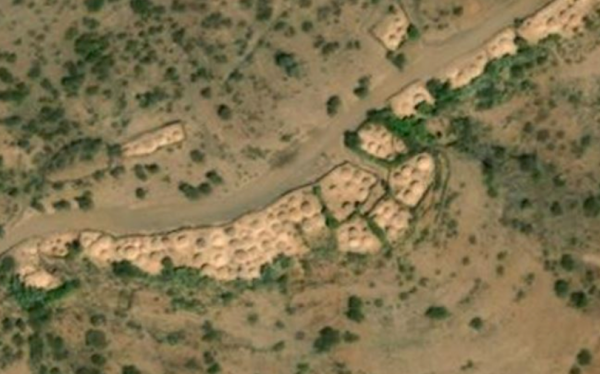
I am mapping Eritrea these days and found some objects I am not able to identify. Can you help me with your wisdom?
I am mapping Eritrea these days and found some objects I am not able to identify. Can you help me with your wisdom?
As I write in my profile, I was really peeved off, that dozens of Camino Apps (apps used to track users along the Ways of St.
This blog was originally posted on my personal site:
Just a quick blog post on some coastline work I was doing.
For the OSMF Shortbread vector tiles I had to identify when coastlines has changed. The solution I came up isn’t specific to Shortbread, but is useful for anyone using the tiled ocean shapefiles.
I’m going to start by assuming that the old ocean data is in
To start I want to find any geometries that have changed. For geometries in the new data that aren’t in the old data, I can get this with a
A
SELECT ST_SymDifference(ST_Collect(old.way), ST_Collect(new.way)) AS dgeom
FROM water_polygons AS old
FULL OUTER JOIN loading.water_polygons AS new
ON old.way = new.way and old.x = new.x and old.y = new.y
WHERE new.way IS NULL OR old.way IS NULL
GROUP BY COALESCE(old.x, new.x), COALESCE(old.y, new.y)
This gets me the difference in geometries for the entire world in about two minutes. But I need tiles, which is it’s own complication.
I need to intersect the changes with potential tial geometries. This could be done by generating lots of tiles with ST_TileEnvelope, but there’s a better function. ST_SquareGrid generates the square grid that covers a geometry’s bounding box. If I use the right settings, these correspond to standard tiles. I can then exclude any that don’t intersect the geometry.
This can be done with
SELECT
...
FROM differences,
generate_series(10,14) AS z,
ST_SquareGrid(40075016.685578/2^z, differences.geom) AS squares
WHERE ST_Intersects(differences.geom, squares.geom);
But I need get the tile z/x/y numbers. ST_SquareGrid actually returns a record with a geometry, i, and j. These i and j are the position in the grid and can be converted to x and y. This math, and a bit of SQL to handle multipolygons vs. polygons lets me get a list of z/x/y
WITH nonmatch AS (
SELECT ST_SymDifference(ST_Collect(old.way), ST_Collect(new.way)) AS dgeom
FROM (select x, y, way from water_polygons) old
FULL OUTER JOIN (select x, y, way from loading.water_polygons) new
ON old.way = new.way and old.x = new.x and old.y = new.y
WHERE new.way IS NULL OR old.way IS NULL
GROUP BY COALESCE(old.x, new.x), COALESCE(old.y, new.y)),
differences AS (SELECT (ST_Dump(dgeom)).geom AS geom FROM nonmatch)
SELECT DISTINCT
z,
LEAST(GREATEST(0, squares.i+2^(z-1)), 2^z - 1) AS x,
LEAST(GREATEST(0, squares.j*-1+2^(z-1)), 2^z - 1) AS y
FROM differences,
generate_series(10,14) AS z,
ST_SquareGrid(40075016.685578/2^z, differences.geom) AS squares
WHERE ST_Intersects(differences.geom, squares.geom);
Running this on coastline data few days apart gives about 1000 tiles that need re-rendering.
For the OSMF Shortbread vector tiles I had to identify when coastlines has changed. The solution I came up isn’t specific to Shortbread, but is useful for anyone using the tiled ocean shapefiles.
I’m going to start by assuming that the old ocean data is in
water_polygons and the new data is in loading.water_polygons. Other parts of my code already handle this. The shapefiles are loaded into tables that have the columns x int, y int, way geometry.To start I want to find any geometries that have changed. For geometries in the new data that aren’t in the old data, I can get this with a
LEFT JOIN. I want a set of geometries that includes any geometries from the new data that aren’t in the old. This set can be made by excluding any geometries in the old data that have identical x, y, and binary identical geometry to a new geometry. It’s possible this set includes extra geometries, but that’s okay.A
RIGHT JOIN would find geometries in the old data that aren’t in the new. Combining these gives a FULL OUTER JOIN. If I then collect the geometries in each shapefile tile I can compare them to find the geometriesSELECT ST_SymDifference(ST_Collect(old.way), ST_Collect(new.way)) AS dgeom
FROM water_polygons AS old
FULL OUTER JOIN loading.water_polygons AS new
ON old.way = new.way and old.x = new.x and old.y = new.y
WHERE new.way IS NULL OR old.way IS NULL
GROUP BY COALESCE(old.x, new.x), COALESCE(old.y, new.y)
This gets me the difference in geometries for the entire world in about two minutes. But I need tiles, which is it’s own complication.
I need to intersect the changes with potential tial geometries. This could be done by generating lots of tiles with ST_TileEnvelope, but there’s a better function. ST_SquareGrid generates the square grid that covers a geometry’s bounding box. If I use the right settings, these correspond to standard tiles. I can then exclude any that don’t intersect the geometry.
This can be done with
SELECT
...
FROM differences,
generate_series(10,14) AS z,
ST_SquareGrid(40075016.685578/2^z, differences.geom) AS squares
WHERE ST_Intersects(differences.geom, squares.geom);
But I need get the tile z/x/y numbers. ST_SquareGrid actually returns a record with a geometry, i, and j. These i and j are the position in the grid and can be converted to x and y. This math, and a bit of SQL to handle multipolygons vs. polygons lets me get a list of z/x/y
WITH nonmatch AS (
SELECT ST_SymDifference(ST_Collect(old.way), ST_Collect(new.way)) AS dgeom
FROM (select x, y, way from water_polygons) old
FULL OUTER JOIN (select x, y, way from loading.water_polygons) new
ON old.way = new.way and old.x = new.x and old.y = new.y
WHERE new.way IS NULL OR old.way IS NULL
GROUP BY COALESCE(old.x, new.x), COALESCE(old.y, new.y)),
differences AS (SELECT (ST_Dump(dgeom)).geom AS geom FROM nonmatch)
SELECT DISTINCT
z,
LEAST(GREATEST(0, squares.i+2^(z-1)), 2^z - 1) AS x,
LEAST(GREATEST(0, squares.j*-1+2^(z-1)), 2^z - 1) AS y
FROM differences,
generate_series(10,14) AS z,
ST_SquareGrid(40075016.685578/2^z, differences.geom) AS squares
WHERE ST_Intersects(differences.geom, squares.geom);
Running this on coastline data few days apart gives about 1000 tiles that need re-rendering.
Now, let’s talk about English.
Why is English so widespread today?
Why is it such a dominant and influential language?
Is it because it’s superior?
Absolutely not. It is because English is the language of empire.
I bear no grudge against the English language itself—but I do feel profound sorrow and regret over this historical reality.
Had a different Asian country colonized yours, perhaps you would now be speaking that language instead of English—or perhaps a language even less prominent globally.
Please understand this: English is not dominant because it is better, easier to learn, or inherently more suited to communication.
Have you ever imagined a foreigner—someone who speaks a different language—breaking into a cold sweat as they struggle to understand the language and follow the flow of conversation, all while feeling overwhelmed by unfamiliar social behaviors and caught in a situation where loud, rapid chatter goes on, and on, and on, without a moment to catch up or make sense of what’s going on?
Some of you say, “No one is stopping you from speaking your native language.”
Some of you say, “Don’t just stay in your local community—come out and join the global conversation.”
But only those who are confident in their English, or those like me who cannot bear the frustration of silence, make the effort to break through the language barrier and speak here.
Would you say to that person, “No one’s stopping you—try to jump in,” or “It’s okay, just speak in your native language”?
Wouldn’t that, in fact, feel even more humiliating than simply walking away?
Why is English so widespread today?
Why is it such a dominant and influential language?
Is it because it’s superior?
Absolutely not. It is because English is the language of empire.
I bear no grudge against the English language itself—but I do feel profound sorrow and regret over this historical reality.
Had a different Asian country colonized yours, perhaps you would now be speaking that language instead of English—or perhaps a language even less prominent globally.
Please understand this: English is not dominant because it is better, easier to learn, or inherently more suited to communication.
Have you ever imagined a foreigner—someone who speaks a different language—breaking into a cold sweat as they struggle to understand the language and follow the flow of conversation, all while feeling overwhelmed by unfamiliar social behaviors and caught in a situation where loud, rapid chatter goes on, and on, and on, without a moment to catch up or make sense of what’s going on?
Some of you say, “No one is stopping you from speaking your native language.”
Some of you say, “Don’t just stay in your local community—come out and join the global conversation.”
But only those who are confident in their English, or those like me who cannot bear the frustration of silence, make the effort to break through the language barrier and speak here.
Would you say to that person, “No one’s stopping you—try to jump in,” or “It’s okay, just speak in your native language”?
Wouldn’t that, in fact, feel even more humiliating than simply walking away?
Western-centric worldview...
Now, let’s talk about English. Why is English so widespread today? Why is it such a dominant and influential language? Is it because it’s superior? Absolutely not. It is because English is the language of empire.OpenStreetMap
One person is sanding down a rusty gate,
Another is painting over the rust,
Yet another is attaching a new handle to the corroded gate,
Some are even building an entirely new gate to replace the old, rusted one
And a few are wondering, Why are they d…
Another is painting over the rust,
Yet another is attaching a new handle to the corroded gate,
Some are even building an entirely new gate to replace the old, rusted one
And a few are wondering, Why are they d…
The world of OSM, where everyone just does their own thing without coordination or adjustment.
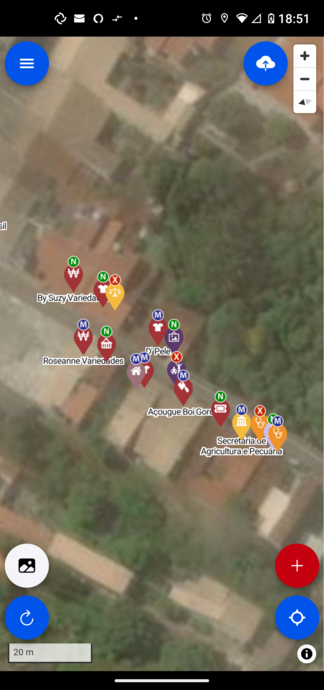
It sometimes feels like OSM is of the West, by the West, for the West.
Over the past 20 years, OpenStreetMap has become one of the worlds largest and most impactful crowdsourcing projects.
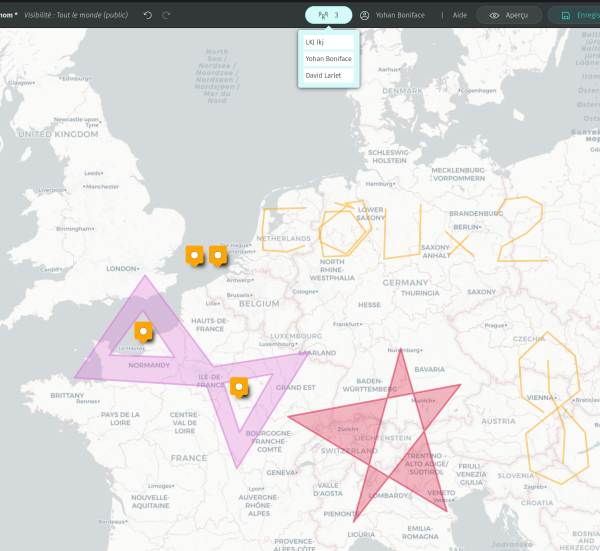
After one more year of French administration funding (thank you!), we are so proud to have released versions 3.X of uMap since last April. Since then, we made a couple of adjustments to ease the deployment of that new version.
Cartographie OSM des dommages du bâti à Mayotte après Chido - nouveaux indicateurs et premiers résultats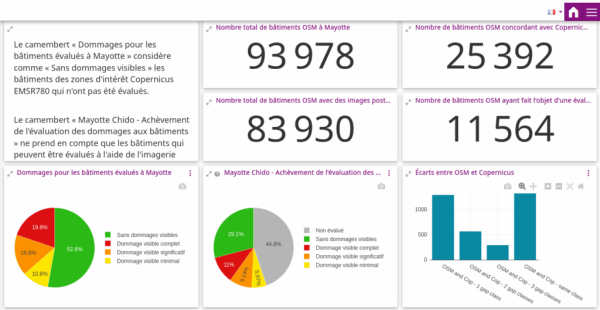
Cartographie OSM des dommages du bâti à Mayotte après Chido - nouveaux indicateurs et premiers résultats
Cet article de blog a été publié à lorigine sur ce site web et a déjà été mentionné par WeeklyOSM.OpenStreetMap
Magnetic Yokes Machine Magnetic Particle Testing (MPT) is one of the most widely used non-destructive testing (NDT) methods for the detection of surface and near-surface flaws in ferromagnetic materials. The Magnetic Yoke Machine is considered one of the more popular tools used for MPT due to its portability, ease of operation, and efficacy. What is a Magnetic Yoke Machine? A Magnetic Yoke is a handheld or portable device that generates a magnetic field using either AC (Alternating Current) or DC (Direct Current). It consists of a U-shaped or C-shaped core with adjustable legs and an electromagnetic coil. Generally, once energized, it induces a magnetic field into the test piece, allowing the inspectors to check for cracks, seams, and other defects using magnetic particles. Types of Magnetic Yokes AC Yokes: Best for detecting surface cracks due to shallow penetration. DC Yokes: These offer deeper penetration and allow for identification of subsurface flaws. Permanent Magnetic Yokes: These employ strong magnets instead of electricity and are suited for hazardous environments. Electromagnetic Yokes: These require power (battery or mains) and offer adjustable strength. Advantages of Magnetic Yokes Portable and lightweight: Suitable for carrying anywhere for site inspection. Fast Setup: No additional preparations are needed. Versatile: Suitable for flat, curved, or irregular surfaces. Cost-effective: In contrast to more sophisticated NDT equipment, it is an inexpensive option. How to Use a Magnetic Yoke? Clean All Surfaces – To do this, you need to remove rust, paint, and dirt. Apply Magnetic Particles – You spray dry or wet particles. Place the Yoke – Put the legs over the area to be inspected. Magnetize and Inspect – Turn on the yoke and look for accumulation of particles at defects. Demagnetizer – Preventing residual magnetism. Conclusion The Magnetic Yoke Machine is portable, easy to use and economic test equipment for detecting surface cracks on ferromagnetic materials. It is best suited for inspection in welding, aerospace and manufacturing, ensuring quicker and more confident defect detection thereafter.
Magnetic Yoke Machine
Magnetic Yokes Machine Magnetic Particle Testing (MPT) is one of the most widely used non-destructive testing (NDT) methods for the detection of surface and near-surface flaws in ferromagnetic materials.OpenStreetMap
Today is a special day—my birthday. I woke up feeling grateful and hopeful. Another year of life is not something to take for granted. I feel happy, not just because it’s a celebration, but because I’ve come a long way, and I’m ready for more. Birthdays are not just about cake, candles, or greetings. They are about reflection, growth, and new beginnings.
As I look ahead, I’m deeply motivated to grow—not just in age, but in wisdom, character, and capacity. I want to build myself professionally and personally. My journey so far has been full of lessons, and I know there is much more to learn. I believe in continuous improvement, and that belief fuels my ambition to keep pushing forward.
This year, my focus is on professional development—gaining new skills, strengthening what I already know, and becoming more confident in my work. I plan to seek opportunities for learning, whether through training, mentorship, or real-life experience. I want to become more capable, resourceful, and impactful in everything I do.
At the same time, I also want to grow emotionally and mentally. Maturity isn’t just about work—it’s also about how we treat people, how we handle challenges, and how we understand ourselves.
So, on this birthday, I’m not just celebrating the past—I’m preparing for the future. I feel proud of the person I am becoming. I will keep dreaming, working hard, and building the life I envision.
Here’s to a new year of growth, purpose, and becoming the best version of myself.
As I look ahead, I’m deeply motivated to grow—not just in age, but in wisdom, character, and capacity. I want to build myself professionally and personally. My journey so far has been full of lessons, and I know there is much more to learn. I believe in continuous improvement, and that belief fuels my ambition to keep pushing forward.
This year, my focus is on professional development—gaining new skills, strengthening what I already know, and becoming more confident in my work. I plan to seek opportunities for learning, whether through training, mentorship, or real-life experience. I want to become more capable, resourceful, and impactful in everything I do.
At the same time, I also want to grow emotionally and mentally. Maturity isn’t just about work—it’s also about how we treat people, how we handle challenges, and how we understand ourselves.
So, on this birthday, I’m not just celebrating the past—I’m preparing for the future. I feel proud of the person I am becoming. I will keep dreaming, working hard, and building the life I envision.
Here’s to a new year of growth, purpose, and becoming the best version of myself.
Diary Entry – May 29, 2025
Today is a special day—my birthday. I woke up feeling grateful and hopeful. Another year of life is not something to take for granted. I feel happy, not just because its a celebration, but because I’ve come a long way, and I’m ready for more.OpenStreetMap
This is something I encountered mapping bike infrastructure in the Austrian town of Neuhofen an der Krems: what one might assume is a continuation of a shared bike/pedestrian path over a pretty unimportant side road is actually a legal trap for cycli…
Weźmisz na dwie porcje: 300g kiszonej kapusty 100g mąki pszennej duże jajko (60g) 80g wody 1 łyżka ciemnego sosu sojowego 1 łyżka oleju s...

My journey as an OpenStreetMap contributor began in 2022, with a humble yet impactful project: mapping roads in Mugu, Humla, and Jumla—three of Nepal’s most remote and mountainous districts. Since then, I’ve grown into an active mapper, dedicated validator, and proud member of the global OSM community. In 2023, I was recognized as an OSM Guru and listed among the top contributors, a reflection of my deep passion and consistency in open geodata contribution.
Areas of Focus My primary interest lies in mapping buildings and roadways, especially in critical and under-mapped areas. I’ve also actively contributed to tools like MapRoulette and MapSwipe, which help bring micro-edits and mobile contributions to the mapping ecosystem.
Highlighted Contributions “Map Roads, Make Your Way” Project Recognized as a top-quality mapper, I contributed significantly to this project—led by HOT, Open Asia Pacific Hub, KIRDARC, and OSM Nepal—focusing on mapping roads in Humla, Jumla, and Dolpa. This initiative was a pivotal moment for me, helping improve accessibility in some of the most remote regions of Nepal.
Digital and Spatial Technologies for Anticipatory Action Volunteered in this 5-day event organized by NAXA Nepal, where we mapped roads, waterways, buildings, and land use across six municipalities. Using ESRI imagery on the HOT Tasking Manager, we enhanced maps to support community resilience and disaster preparedness. We focused on: Mapping open spaces critical for evacuation and aid Digitizing health posts, schools, power lines Improving road networks and land use classifications
Global Solidarity Through Mapping Solidarity Mapathon for Myanmar (HOT) Climate Change Challenge with HOT, TOMTOM, Open Asia Hub Participated in multiple Kathmandu University mapathons—both as a mapper and organizer, including events under NEPGEOM
Building the OSM Community Beyond mapping, I’m passionate about bringing new faces to OSM. As part of Kathmandu University, I’ve helped organize several mapping events to inspire students and introduce them to open mapping tools, showing them the power of maps in building resilient, informed communities.
Final Thoughts OpenStreetMap has empowered me to merge my technical skills with real-world impact—from mountain trails to urban resilience. Whether through tracing rooftops in Nepal or roadways in Papua New Guinea, I see mapping as a meaningful act of solidarity and service. Thank you to everyone in the OSM and HOT communities for your support, collaboration, and inspiration. I’m looking forward to more shared efforts in making the world a better-mapped place. Happy Mapping! — siwangi02
Areas of Focus My primary interest lies in mapping buildings and roadways, especially in critical and under-mapped areas. I’ve also actively contributed to tools like MapRoulette and MapSwipe, which help bring micro-edits and mobile contributions to the mapping ecosystem.
Highlighted Contributions “Map Roads, Make Your Way” Project Recognized as a top-quality mapper, I contributed significantly to this project—led by HOT, Open Asia Pacific Hub, KIRDARC, and OSM Nepal—focusing on mapping roads in Humla, Jumla, and Dolpa. This initiative was a pivotal moment for me, helping improve accessibility in some of the most remote regions of Nepal.
Digital and Spatial Technologies for Anticipatory Action Volunteered in this 5-day event organized by NAXA Nepal, where we mapped roads, waterways, buildings, and land use across six municipalities. Using ESRI imagery on the HOT Tasking Manager, we enhanced maps to support community resilience and disaster preparedness. We focused on: Mapping open spaces critical for evacuation and aid Digitizing health posts, schools, power lines Improving road networks and land use classifications
Global Solidarity Through Mapping Solidarity Mapathon for Myanmar (HOT) Climate Change Challenge with HOT, TOMTOM, Open Asia Hub Participated in multiple Kathmandu University mapathons—both as a mapper and organizer, including events under NEPGEOM
Building the OSM Community Beyond mapping, I’m passionate about bringing new faces to OSM. As part of Kathmandu University, I’ve helped organize several mapping events to inspire students and introduce them to open mapping tools, showing them the power of maps in building resilient, informed communities.
Final Thoughts OpenStreetMap has empowered me to merge my technical skills with real-world impact—from mountain trails to urban resilience. Whether through tracing rooftops in Nepal or roadways in Papua New Guinea, I see mapping as a meaningful act of solidarity and service. Thank you to everyone in the OSM and HOT communities for your support, collaboration, and inspiration. I’m looking forward to more shared efforts in making the world a better-mapped place. Happy Mapping! — siwangi02
My OSM Journey: From the Mountains of Nepal to Global Mapping Communities
My journey as an OpenStreetMap contributor began in 2022, with a humble yet impactful project: mapping roads in Mugu, Humla, and Jumla—three of Nepals most remote and mountainous districts.OpenStreetMap
Testing, Heading
Subheading, Subheading
- List
- List continued
Hello World!
I just completed my first university GIS course and I absolutely love mapping. The course enabled me to contribute to the Humanitarian OpenStreetMap team. This experience is excellent and I am thankful to sharpen my digitizing skills while helping others.
This Diary feature is new to me and I’m not sure what it does. Good to experiment with! :)
When I first received the email notifying me of my selection for the YouthMappers Leadership Fellowship 2024 in Thailand, it was a surreal moment. I was doing my assignments all frustrated but suddenly when the notification popped up, and I couldn’t contain my emotions. I jumped with joy, overwhelmed by the thought of being chosen for such an incredible opportunity. That email was the start of an unforgettable journey—one that would take me to new places, connect me with passionate individuals, and leave me with memories I’ll cherish forever. The dream of the dreamer started since then. The preparation for the fellowship began months in advance. YouthMappers, a global community of students, researchers, educators, and scholars that use public geospatial technologies to highlight and directly address development and environmental challenges worldwide ensured we were well-prepared with pre-departure sessions and constant communication through emails and WhatsApp. They guided us every step of the way, taking care of us with unmatched warmth and care. From learning how to say “Sawadike” (hello) and “Khapunka” (thank you) in Thai, to planning and packing for the trip, every moment was filled with excitement. The day of departure was momentous—my first international flight, passport in hand, and butterflies in my stomach. Along with my Nepali peers, we clicked countless photos at the airport, thrilled to embark on this journey. As our flight landed in Bangkok, the sparkling city lights welcomed us to a country that truly never sleeps. Angela, our warm and wonderful guide, greeted us at the airport, setting the tone for an amazing experience.
Our first day in Thailand was magical. Staying in a cozy hotel, enjoying delicious breakfasts, and exploring the vibrant streets around us felt like stepping into a dream. As other fellows from across the globe arrived, the excitement only grew. The orientation session was our first formal introduction to the program, the YouthMappers team, and the 27 fellows from diverse countries. I was fascinated by their unique names and stories—from America to Zuliatu, everyone brought something special to the table. That evening, over dinner, we bonded with the organizers and faculty of YouthMappers. Sharing laughs, stories, and conversations with people who had achieved so much in their respective fields was inspiring. This sense of community and collaboration is, I believe, the heart of the open-data movement.
The next day, we dressed in formals and headed to the auditorium for official sessions. We learned about the structure of YouthMappers, its global chapters, partnerships with organizations like USAID, and its alignment with the Sustainable Development Goals (SDGs). I was assigned to the SDG 11 group: Sustainable Cities and Communities. This session was a highlight for me, as I eagerly collaborated with my team and dived deep into discussions. Our first travel destination was the breathtaking Wat Pho Temple, where we soaked in the culture, clicked countless pictures, and marveled at the beauty of Thailand. A serene boat ride followed, offering mesmerizing views of the city. While trying seafood at dinner wasn’t quite my cup of tea, the experience added to the adventure.
One of the most impactful moments was a heartfelt conversation with Angela. She shared stories of the struggles faced by women in rural Thailand, particularly around inequality and exploitation. Her resilience and wisdom left a deep mark on me. Angela’s words reinforced the importance of supporting marginalized groups and working tirelessly for equality and inclusion. The third day of our fellowship was a transformative one, as we left the chaos of Bangkok for the tranquility of Bang Saen Beach. Settling in at the beautiful Bang Saen Beach Resort, I quickly joined my team to dive into OpenStreetMap (OSM) and flood mapping. The hands-on experience, working with passionate mappers from around the world, was thrilling, but a moment of self-doubt crept in. It was during this time that Patricia, a beacon of wisdom and energy, helped me shift my perspective and reignite my determination. Her encouragement allowed me to embrace the process with clarity and purpose, carrying me forward through the fellowship with renewed vigour. As we moved into fieldwork, I was honoured to lead our team, thanks to the trust of our group leader, Nuala Cowan. The day was filled with collaboration and teamwork, where each member brought their best effort, and we completed tasks with enthusiasm. The sessions that followed further enriched our knowledge, focusing on project leadership, gender inclusion, and the power of communication. The final days were a whirlwind of collaboration, innovation, and reflection, culminating in our impactful flood mapping project. Presenting our work, knowing how much we’d achieved together, filled me with pride. As I said goodbye to my fellow participants, I left with not just memories, but with invaluable lessons on leadership, mapping, and the importance of community-driven solutions.
The final day was a mix of excitement and nerves. Our SDG 11 team, focusing on sustainable cities and flood mapping, presented our project on Si Racha, Chan Buri, an area recently impacted by flash floods on March 19, 2024.We analyzed the flood’s impact by mapping the inundation area, affected buildings, highways, health facilities, educational institutions, and approximate affected populations. Over one night, our team made an impressive 5,223 edits to map the previously unmapped Si Racha area.
Our final presentation was a success, followed by emotional reflections on our journeys. After a quick lunch, we headed to a travel destination for some shopping and wrapped up the day back at the hotel, saying bittersweet goodbyes to our fellows before our morning flight.
Reflecting on these incredible nine days, I still feel deeply emotional. It wasn’t just about the joy of the experience but also the immense learning and personal growth. This fellowship was truly a dream come true. I vividly remember my first year of college when we were introduced to OpenStreetMap. While exploring further, I came across YouthMappers and their Leadership Fellowship. From that very moment, I aspired to be part of it. Fast forward four years, and here I am, writing about my own Leadership Fellowship experience. Life truly is amazing. When I look back to myself during my first year of college where we were introduced to OSM, I was deeply inspired by the richness of OSM datasets and their humanitarian purpose for the community. It stuck with me that this was something I never wanted to leave behind. Over the years, I have contributed to impactful humanitarian projects such as the Turkey-Syria mapping initiative and the Jajarkot earthquake response. These projects have made me feel like I’m physically present to help communities in need. To date, I’ve made an incredible 632,637 edits, each one shaping someone’s future somewhere in the world. This realization motivates me to continue contributing and making a difference. Also, thanks to my driving force for contribution that led me to the YouthMappers Leadership Fellowship 2024. This fellowship has taught me so much—more than I could have imagined. Overcoming language barriers and navigating cultural differences were challenging at times, but they also enriched the experience. As Silvana from SDG 11 wisely said, “We may not understand each other’s languages and cultures, but what we do understand is the language of cartography.” This quote resonates deeply with me and reminds me of the power of our shared purpose as mappers. Looking back, I realize how these lessons have shaped me. A conversation with Patricia stands out vividly—she shared that in life, we often search for what we lack by comparing ourselves to others, forgetting the treasures we already hold, that wisdom has stayed with me. This experience has also deepened my appreciation for the impact of mapping. Every edit we make shapes someone’s future somewhere on this planet. It’s not just about learning to edit—it’s about connecting with communities, fostering inclusivity, and leading with love and purpose. I aspire to pass on my knowledge to the next generation in the most inclusive and diverse way possible, working closely with communities and telling their stories through leadership. This dream opportunity has transformed me in ways I am indebted towards YouthMappers and our chapter Geomatics Engineering Students Association Nepal (GESAN) and will cherish forever. Thank you, YouthMappers, for making it all possible!
First Impressions and New Connections
Our first day in Thailand was magical. Staying in a cozy hotel, enjoying delicious breakfasts, and exploring the vibrant streets around us felt like stepping into a dream. As other fellows from across the globe arrived, the excitement only grew. The orientation session was our first formal introduction to the program, the YouthMappers team, and the 27 fellows from diverse countries. I was fascinated by their unique names and stories—from America to Zuliatu, everyone brought something special to the table. That evening, over dinner, we bonded with the organizers and faculty of YouthMappers. Sharing laughs, stories, and conversations with people who had achieved so much in their respective fields was inspiring. This sense of community and collaboration is, I believe, the heart of the open-data movement.
Learning, Exploring, and Growing
The next day, we dressed in formals and headed to the auditorium for official sessions. We learned about the structure of YouthMappers, its global chapters, partnerships with organizations like USAID, and its alignment with the Sustainable Development Goals (SDGs). I was assigned to the SDG 11 group: Sustainable Cities and Communities. This session was a highlight for me, as I eagerly collaborated with my team and dived deep into discussions. Our first travel destination was the breathtaking Wat Pho Temple, where we soaked in the culture, clicked countless pictures, and marveled at the beauty of Thailand. A serene boat ride followed, offering mesmerizing views of the city. While trying seafood at dinner wasn’t quite my cup of tea, the experience added to the adventure.
Conversations That Inspire
One of the most impactful moments was a heartfelt conversation with Angela. She shared stories of the struggles faced by women in rural Thailand, particularly around inequality and exploitation. Her resilience and wisdom left a deep mark on me. Angela’s words reinforced the importance of supporting marginalized groups and working tirelessly for equality and inclusion. The third day of our fellowship was a transformative one, as we left the chaos of Bangkok for the tranquility of Bang Saen Beach. Settling in at the beautiful Bang Saen Beach Resort, I quickly joined my team to dive into OpenStreetMap (OSM) and flood mapping. The hands-on experience, working with passionate mappers from around the world, was thrilling, but a moment of self-doubt crept in. It was during this time that Patricia, a beacon of wisdom and energy, helped me shift my perspective and reignite my determination. Her encouragement allowed me to embrace the process with clarity and purpose, carrying me forward through the fellowship with renewed vigour. As we moved into fieldwork, I was honoured to lead our team, thanks to the trust of our group leader, Nuala Cowan. The day was filled with collaboration and teamwork, where each member brought their best effort, and we completed tasks with enthusiasm. The sessions that followed further enriched our knowledge, focusing on project leadership, gender inclusion, and the power of communication. The final days were a whirlwind of collaboration, innovation, and reflection, culminating in our impactful flood mapping project. Presenting our work, knowing how much we’d achieved together, filled me with pride. As I said goodbye to my fellow participants, I left with not just memories, but with invaluable lessons on leadership, mapping, and the importance of community-driven solutions.
The final day was a mix of excitement and nerves. Our SDG 11 team, focusing on sustainable cities and flood mapping, presented our project on Si Racha, Chan Buri, an area recently impacted by flash floods on March 19, 2024.We analyzed the flood’s impact by mapping the inundation area, affected buildings, highways, health facilities, educational institutions, and approximate affected populations. Over one night, our team made an impressive 5,223 edits to map the previously unmapped Si Racha area.
Our final presentation was a success, followed by emotional reflections on our journeys. After a quick lunch, we headed to a travel destination for some shopping and wrapped up the day back at the hotel, saying bittersweet goodbyes to our fellows before our morning flight.
A Life-Changing Experience
Reflecting on these incredible nine days, I still feel deeply emotional. It wasn’t just about the joy of the experience but also the immense learning and personal growth. This fellowship was truly a dream come true. I vividly remember my first year of college when we were introduced to OpenStreetMap. While exploring further, I came across YouthMappers and their Leadership Fellowship. From that very moment, I aspired to be part of it. Fast forward four years, and here I am, writing about my own Leadership Fellowship experience. Life truly is amazing. When I look back to myself during my first year of college where we were introduced to OSM, I was deeply inspired by the richness of OSM datasets and their humanitarian purpose for the community. It stuck with me that this was something I never wanted to leave behind. Over the years, I have contributed to impactful humanitarian projects such as the Turkey-Syria mapping initiative and the Jajarkot earthquake response. These projects have made me feel like I’m physically present to help communities in need. To date, I’ve made an incredible 632,637 edits, each one shaping someone’s future somewhere in the world. This realization motivates me to continue contributing and making a difference. Also, thanks to my driving force for contribution that led me to the YouthMappers Leadership Fellowship 2024. This fellowship has taught me so much—more than I could have imagined. Overcoming language barriers and navigating cultural differences were challenging at times, but they also enriched the experience. As Silvana from SDG 11 wisely said, “We may not understand each other’s languages and cultures, but what we do understand is the language of cartography.” This quote resonates deeply with me and reminds me of the power of our shared purpose as mappers. Looking back, I realize how these lessons have shaped me. A conversation with Patricia stands out vividly—she shared that in life, we often search for what we lack by comparing ourselves to others, forgetting the treasures we already hold, that wisdom has stayed with me. This experience has also deepened my appreciation for the impact of mapping. Every edit we make shapes someone’s future somewhere on this planet. It’s not just about learning to edit—it’s about connecting with communities, fostering inclusivity, and leading with love and purpose. I aspire to pass on my knowledge to the next generation in the most inclusive and diverse way possible, working closely with communities and telling their stories through leadership. This dream opportunity has transformed me in ways I am indebted towards YouthMappers and our chapter Geomatics Engineering Students Association Nepal (GESAN) and will cherish forever. Thank you, YouthMappers, for making it all possible!
If anyone who want to edit Indonesian maps, I recommend using BHUMI ATR/BPN aerial imagery data as source. You may see the links from my last 2 months of renewed editing career of OpenStreetMap.
Performance testing vector tiles
Ive undertaken the task of mapping Inveralmond Industrial Estate, which lies close to my location but is currently not mapped in any great detail.
Ech, nic się zbytnio nie da poedytować, bo dużo usług WMS przestało działać z poziomu JOSM. Nawet Bing. Się nazbierało m idanych, mam rozgrzebanych kilka sesji, ale żadnej nie jestem w stanie ruszyć, nie mając działających podkładów… Jak te wrócą, trzeba będzie zrobić buckup cache.
Es ist ein gewaltiger Unterschied, ob man Blog-Beiträge erst nach zwei Klicks oder schon prominent auf der eigenen Benutzerseite eingeblendet sieht. Dann sollte man Blog-Beiträge auch löschen können. Was hier nun bei OSM gemacht wurde, ist für mich ein absolutes Unding.
Es kann durchaus sein, dass ich deshalb alle Blogbeiträge mit je einem Punkt für Überschrift und Inhalt ersetze.
Welcher Teufel hat jene geritten, die auf solche Ideen kamen?
Es kann durchaus sein, dass ich deshalb alle Blogbeiträge mit je einem Punkt für Überschrift und Inhalt ersetze.
Welcher Teufel hat jene geritten, die auf solche Ideen kamen?
Blog-Beiträge in der Benutzerseite
Es ist ein gewaltiger Unterschied, ob man Blog-Beiträge erst nach zwei Klicks oder schon prominent auf der eigenen Benutzerseite eingeblendet sieht. Dann sollte man Blog-Beiträge auch löschen können.OpenStreetMap
The Community Bonding Period officially wrapped up on June 1, and the coding phase is already off to a solid start.
Workshop-Reihe: OpenStreetMap - die Welt für alle auffindbar machen
Workshop-Reihe: OpenStreetMap - die Welt für alle auffindbar machen
Für wen? Alle Wesen von 12-18 JahreOpenStreetMap
Recently, I needed to open my OpenStreetMap profile—just to right-click and save my own profile picture for use on another platform.

I stumbled across a website which hosts every single Soviet military map 1:200k from 1985.
As OpenStreetMap becomes a central part of global mapping infrastructure, it’s worth asking:
Are corporations offering as much or more as they are getting from their OSM involvement?
Some corporations benefit enormously from OSM using it to build commercial services, run logistics, and analyze market data. But these same companies often have access to large, rich datasets, especially from telemetry and user behavior, that are far beyond what the average contributor can collect.
If shared, such data could dramatically improve OSM’s accuracy, completeness, and utility. But how much of this data is actually being shared?
There’s a tension here between open knowledge and proprietary advantage. While some companies do contribute back through edits, funding, or tools, the scale of these contributions doesn’t always match the value extracted.
This leads to deeper questions: - Is the current model of corporate engagement with OSM sustainable? - Are the benefits of the open model being eroded when sharing isn’t reciprocal? - Could new norms or frameworks encourage deeper, more equitable collaboration?
The OSM community thrives on openness, transparency, and volunteerism. As more private actors join, the long-term health of the ecosystem may depend on whether those values are upheld not just by individuals, but by corporations as well.
Are corporations offering as much or more as they are getting from their OSM involvement?
Some corporations benefit enormously from OSM using it to build commercial services, run logistics, and analyze market data. But these same companies often have access to large, rich datasets, especially from telemetry and user behavior, that are far beyond what the average contributor can collect.
If shared, such data could dramatically improve OSM’s accuracy, completeness, and utility. But how much of this data is actually being shared?
There’s a tension here between open knowledge and proprietary advantage. While some companies do contribute back through edits, funding, or tools, the scale of these contributions doesn’t always match the value extracted.
This leads to deeper questions: - Is the current model of corporate engagement with OSM sustainable? - Are the benefits of the open model being eroded when sharing isn’t reciprocal? - Could new norms or frameworks encourage deeper, more equitable collaboration?
The OSM community thrives on openness, transparency, and volunteerism. As more private actors join, the long-term health of the ecosystem may depend on whether those values are upheld not just by individuals, but by corporations as well.
Are corporations acting reciprocally with the OSM community?
As OpenStreetMap becomes a central part of global mapping infrastructure, its worth asking:OpenStreetMap
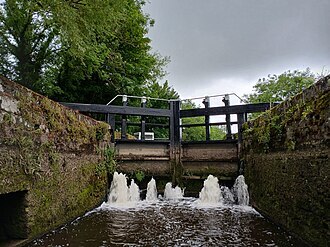
My parents had rented a barge to explore the Barrow Navigation in Ireland for a week. I joined them on three days to capture water-level imagery with my GoPro (and to catch up with them as well). There are unfortunately 1.
Hallo Community,
Ich habe momentan folgendes Problem. Durch unseren Ort ist ein Mapper gegangen und hat 40 von ca. 250 Hydranten gemappt. Diese sind zum Teil fehlerhaft (Falscher Standort, Falsche Typ, kein Hydrant nur Entlüftung, Löschbrunnen als Hydrant deklariert, usw…) von den 40 Stück sind es ca. 10 Stück. Die ganzen Überfluhrhydranten ca. 20 Stück ohne Rohrdurchmesser angegeben. Somit für die Feuerwehr nur bedingt brauchbar. Da der Führungskraft wieder nachsehen muss welche Leitung es ist, um das bereite gestellte Löschwasser zu berechnen.
Ich wollte darauf hin die 40 Hydranten löschen, dies wurde mir leider untersagt. Stattdessen soll ich diese alle Richtig stellen. Dies sehe ich aber nicht als meine Job. Ich kann dies gerne an die Gemeinde weitergeben, diese wollen aber dann einen Lohn für die Arbeiten. Wer übernimmt die Kosten dafür?
Was hilft es uns, wenn nur 40 von ca. 250 Hydranten in dem System sind, wir aber seit 10 Jahren ein anderes System verwenden hier jeden Hydranten mit Bild, GPS Daten, Kennzeichnung ob Einsatzbereit, usw. hinterlegt haben. Diese Jährlich überprüfen und an den Wasserzweckverand Rückmelden mit Schäden.
Die Nachbarwehren nutzen Openfiremap, diese wird mit den OSM Daten gespeist. Sollte nun eine Nachbarwehr zu uns zum Einsatz kommen und sieht in Ihrem System, das ein Hydrant in der Nähe ist, dies aber nicht stimmt?? Weil es nur eine Entlüftung ist oder ein Löschbrunnen.
Wir sind der Meinung das solche Daten von Leuten gemappt werden sollen, die eine Ahnung haben, was Sie machen. Somit die ~Zuständige~ Gemeinde / Stadt / Feuerwehr.
Was ist eure Meinung dazu??
Ich habe momentan folgendes Problem. Durch unseren Ort ist ein Mapper gegangen und hat 40 von ca. 250 Hydranten gemappt. Diese sind zum Teil fehlerhaft (Falscher Standort, Falsche Typ, kein Hydrant nur Entlüftung, Löschbrunnen als Hydrant deklariert, usw…) von den 40 Stück sind es ca. 10 Stück. Die ganzen Überfluhrhydranten ca. 20 Stück ohne Rohrdurchmesser angegeben. Somit für die Feuerwehr nur bedingt brauchbar. Da der Führungskraft wieder nachsehen muss welche Leitung es ist, um das bereite gestellte Löschwasser zu berechnen.
Ich wollte darauf hin die 40 Hydranten löschen, dies wurde mir leider untersagt. Stattdessen soll ich diese alle Richtig stellen. Dies sehe ich aber nicht als meine Job. Ich kann dies gerne an die Gemeinde weitergeben, diese wollen aber dann einen Lohn für die Arbeiten. Wer übernimmt die Kosten dafür?
Was hilft es uns, wenn nur 40 von ca. 250 Hydranten in dem System sind, wir aber seit 10 Jahren ein anderes System verwenden hier jeden Hydranten mit Bild, GPS Daten, Kennzeichnung ob Einsatzbereit, usw. hinterlegt haben. Diese Jährlich überprüfen und an den Wasserzweckverand Rückmelden mit Schäden.
Die Nachbarwehren nutzen Openfiremap, diese wird mit den OSM Daten gespeist. Sollte nun eine Nachbarwehr zu uns zum Einsatz kommen und sieht in Ihrem System, das ein Hydrant in der Nähe ist, dies aber nicht stimmt?? Weil es nur eine Entlüftung ist oder ein Löschbrunnen.
Wir sind der Meinung das solche Daten von Leuten gemappt werden sollen, die eine Ahnung haben, was Sie machen. Somit die ~Zuständige~ Gemeinde / Stadt / Feuerwehr.
Was ist eure Meinung dazu??
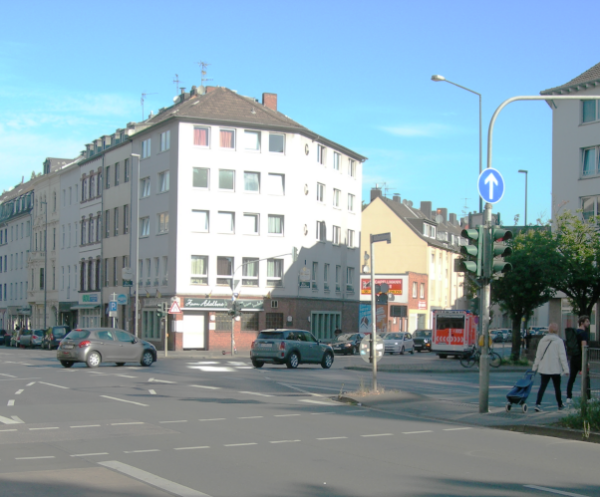
At work, I started creating a real pedestrian routing that uses sidewalks rather than the middle of the road (unlike most pedestrian routing software nowadays). This is necessary for calculating safe routes to and from schools.
10 years + a few days ago, we held the White House Mapathon.
got exams will return
OpenStreetMap is a map of the world, created by people like you and free to use under an open license.
OBDL but governments like Hungary (homophobia), Isreal (genocide), groups like the Republican Party (every stripe of bigotry imaginable) and companies like Tesla (same) are blanket excluded from using, copying, redistributing or accessing OSM data in any way, shape or form?
What if the OBDL, but explicitly inclusive and antifascist?
OBDL but governments like Hungary (homophobia), Isreal (genocide), groups like the Republican Party (every stripe of bigotry imaginable) and companies like Tesla (same) are blanket excluded from using, copying, redistributing or accessing OSM data in…OpenStreetMap