Przedsiębiorstwa wodociągowe największych miast zaklinają rzeczywistość, zapewniając, że mimo nawet niskich stanów wód wody ( do picia) nie zabraknie. Zdjęcia rzek i zbiorników wodnych jakoś nie dają powodów do wiary w urzędowy optymizm.

KOD Małopolskieudostępnił to.
Małopolski KOD szuka chętnych do pilnowania wyborów. Największe potrzeby w mniejszych miejscowościach.
— Wychodzimy do ludzi. Organizujemy projekt „Wybory bez picu”, czyli szukamy obserwatorów wyborczych.
— Wychodzimy do ludzi. Organizujemy projekt „Wybory bez picu”, czyli szukamy obserwatorów wyborczych.
2 użytkowników udostępniło to dalej
Coraz głośniejszy staje się postulat rozliczenia rządzących. Lista czynów, których władze się dopuściły, a które stanowią przestępstwa, delikty konstytucyjne lub jedno i drugie, jest długa. Sprawiedliwość domaga się reakcji.
Politycy opozycji starają się odpowiedzieć na oczywiste społeczne oczekiwanie sprawiedliwej odpłaty. Nerwy puszczają także sędziom. Prof. Krystian Markiewicz, sędzia i prezes Iustitii, człowiek wybitnie zasłużony dla obrony niezależnego sądownictwa, udzielił „Newsweekowi” wywiadu pod mocnym tytułem „Kilka lat spoza krat”. Krystian Markiewicz należy do sędziów szczególnie przez władze nękanych dziesiątkami postępowań dyscyplinarnych oraz organizowanym przez rządzących lub wspieranym przez nich hejtem. A jednak tego wywiadu nie powinien udzielić.
Podobnie niedobry, choć bardzo nośny, jest postulat rozliczenia polityków. Nie lubię, gdy tłum krzyczy „Będziesz siedział!” nawet pod adresem kogoś głęboko unurzanego w plugastwach władzy. O tym, czy ktoś będzie siedział, nie powinno nigdy rozstrzygać zapotrzebowanie ulicy. Proces rozliczeń musi być przeprowadzony z absolutnym poszanowaniem zasad państwa prawa. Najpierw trzeba uzdrowić prokuraturę i sądy, które muszą być prawdziwie niezależne i oddzielone od pozostałych władz, ale także od nacisku ulicy, od potrzeby odreagowania własnych krzywd.
Krystian Markiewicz w wywiadzie analizuje z punktu widzenia prawa, jakie czyny popełnili Kaczyński, Ziobro, Morawiecki i wielu innych. Tego sędzia nie powinien robić. Sędziowie muszą być ostrożni, zabierając głos w publicznej debacie. Mogą uczestniczyć w niej wtedy, gdy bronią niezależności sądownictwa, ale w zakresie, który wykracza poza ten obszar, muszą milczeć. Nie wystarczy to, że sędzia Markiewicz na pewno by się wyłączył ze sprawy, gdyby miał sądzić Ziobrę, Morawieckiego czy Kaczyńskiego. Jest symbolem niezależnego sądownictwa i nie może podważać zaufania do tej niezależności. Zaufanie takie powinien mieć nawet Ziobro, gdy stanie przed sądem.
W żadnym wypadku nie wolno nam do rozliczania władzy wykorzystywać tych wszystkich wyłomów w państwie prawa, które stworzyli obecnie rządzący. Nie sięgniemy przecież po nowo powołaną komisję badającą rosyjskie wpływy, choć aż się prosi, żeby dzisiejszych decydentów wezwać przed jej oblicze po wyborach. Nic z tych rzeczy. Politycy nie mają się zajmować rozliczeniami, tylko odbudować, a może zbudować infrastrukturę państwa prawa, która nawet tym najgorszym zapewni uczciwe procesy.
Sędziowie powinni uważać, wypowiadając się publicznie. Musimy być pewni, że nawet gdy staną przed nimi wszyscy Ziobrowie obecnej władzy, sędziowie zachowają pełną niezależność, choćby od tych właśnie osób sami doznali kiedyś niesprawiedliwości. To bardzo trudne, ale tylko tak zbudujemy trwały fundament sprawiedliwości. Fundament, na którym musi się oprzeć nowa Rzeczpospolita.
Felieton jest wyrazem opinii autora. Nie prezentuje stanowiska ZR Małopolskie.
KOD Małopolskieudostępnił to.
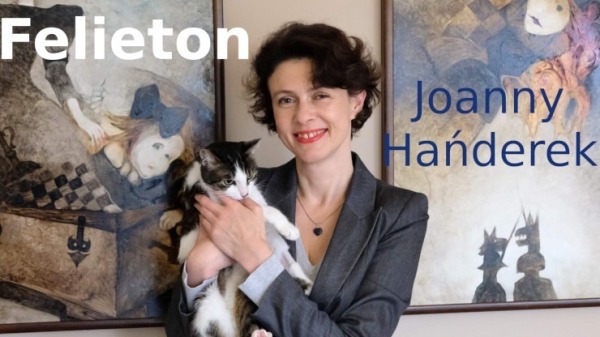
4 czerwca odbyły się dwa marsze: jeden za demokracją i wolnym państwem, drugi w obronie praw zwierząt. Szkoda, że nie był to wspólny marsz na rzecz naszej przyszłości wolnej od globalnego ocieplenia, zmian klimatycznych, koszmarnych upałów, pożarów, wymierania i zniszczenia. Bez praw zwierząt, bez poszanowania przyrody nie będzie żadnej przyszłości – ani demokracji, ani PiS-u, ani opozycji. W moim felietonie małe podsumowanie trudnych wyborów i czerwcowych politycznych manifestacji.
Marsze, marsze i po marszach. Do Warszawy 4 czerwca ściągnęły tysiące ludzi zatroskanych o nasz kraj, o stan demokracji. W tym samym czasie we Wrocławiu i Poznaniu odbyły się marsze Narodowego Dnia Zwierząt. Pojawili się na nich ci, którzy/e nie chcą pogodzić się z krzywdzeniem niewinnych i bezbronnych istot dla ludzkiej chciwości i upodobań. 3 czerwca na ulicach tłumnie manifestowano Dzień Równości. Wiele się działo, mnóstwo osób wyszło na manifestacje, wielu/e z nas próbowało odzyskać swój głos lub przemówić w imieniu innych.
Byłam na marszu we Wrocławiu. Dlaczego nie w Warszawie? Decyzja nie była łatwa, ale przeważyło jedno: o demokrację upomina się tyle osób, a o prawa zwierząt … no właśnie, gdzie są prawa zwierząt? Walczymy o wolne sądy, wolne media, niezależność sędziowską, Trybunał Konstytucyjny (by ponownie był od dużej litery, a nie od kaczej), Konstytucję, równość wszystkich wobec prawa. Walczymy o normalizację naszego świata, tak bardzo zaburzonego przez zachłanne rządy PiS-u. Nie może nam jednak umknąć to, że Ziemia umiera, umiera na naszych oczach. Nie będzie demokracji, nie będzie cywilizacji, jeżeli nadal będziemy tak okrutnie postępować wobec świata i zwierząt. Te wszystkie spory o prawo, o ekonomię, o codzienność demokracji, o wolne media i sądy nie będą miały znaczenia, gdy klimat rozszaleje się na dobre. Susze, pożary, powodzie, tornada, nieprzewidywalne zjawiska klimatyczne, brak pożywienia, brak atmosfery umożliwiającej nam swobodny rozwój – to nasza przyszłość, realna przyszłość.
Zło zaczyna się od zabójstwa bioróżnorodności. Już w tej chwili dzikie zwierzęta to niecałe 4% wszystkich istot żyjących na Ziemi. Reszta to człowiek, który emituje przerażające ilości gazów cieplarnianych, oraz zwierzęta hodowlane. Z jednego hektara pola można rocznie otrzymać około 250 kg białka ze zbóż, gdy tymczasem z jednego hektara pastwiska uzyskamy zaledwie 10 kg białka z wołowiny czy baraniny. Zwierzęta cierpią męki w hodowlach wielkopołaciowych, w transporcie, w rzeźni. Do tego przemysł mięsny odpowiada za 21–37% globalnej emisji gazów cieplarnianych, za 70% poboru wody pitnej oraz zakłócanie globalnego cyklu fosforowego i azotowego, co prowadzi w 30% do zakwaszania gleb i w 80% do eutrofizacji wód. A wszystko po to, by nakarmić najedzonych.
Marsz dla Zwierząt, Narodowy Dzień Praw Zwierząt to nie tylko manifestacja osób wrażliwych na krzywdę zwierząt. To przede wszystkim uświadomienie sobie, że oto doszliśmy do ściany. Katując zwierzęta, zanieczyszczamy nasz świat i prowadzimy rabunkową gospodarkę globu. Dla kotleta niszczymy naszą rzeczywistość, odbierając przyszłość naszym dzieciom i wnukom. Już za dziesięć lat świat będzie wyglądał zupełnie inaczej. Jeżeli ktoś mi nie wierzy, proszę obejrzeć aktualne relacje z Nowego Jorku. Z powodu zmian klimatycznych, globalnego ocieplenia, w Kanadzie płoną lasy na taką skalę, że w Nowym Jorku ludzie duszą się od toksycznych oparów. To nasza przyszłość. To przyszłość, w której bez bioróżnorodności, a przy dominacji industrialnego podejścia do życia nic już nie będzie takie samo.
4 czerwca chciałam być w Warszawie, chciałam upomnieć się o demokrację i wyrazić swój sprzeciw wobec łamania prawa. Wybrałam jednak Wrocław i manifestację w obronie praw zwierząt. To o wiele ważniejsze, bo ani demokracji, ani PiS-u, ani opozycji nie będzie – nie będzie żadnej przyszłości – jeżeli nadal zechcemy zamykać oczy i udawać, że nic się nie dzieje. Bez praw zwierząt, bez poszanowania przyrody, bez walki o zachowanie bioróżnorodności nie będzie klimatu sprzyjającego życiu. Każde wycięte drzewo, każdy wyprodukowany kilogram mięsa to nasz marsz w kierunku zagłady. Demokracja jest nam potrzebna jak tlen, a sami się tego tlenu pozbawiamy. Praworządność potrzebna jest nam jak bezpieczne warunki do życia, a sami niszczymy naszą niszę ekologiczną. O demokrację trzeba walczyć, podobnie jak o wolne sądy i media. Dlatego już dzisiaj trzeba się stanowczo upominać o prawa zwierząt, o poszanowanie przyrody, o lasy, wody, o każdą żywą istotę.
Nasza planeta umiera, umiera na naszych oczach, zabijana naszym egoizmem i niechęcią do brania odpowiedzialności za własne czyny. Przejadamy przyszłość naszych dzieci. Walka o demokrację to walka o bioróżnorodność, bez tego bowiem żadna partia gwarantująca nam prawa obywatelskie nie zagwarantuje nam przyszłości.
Felieton jest wyrazem opinii autora. Nie prezentuje stanowiska ZR.
KOD Małopolskieudostępnił to.
Na tle państw Unii Europejskiej, jak wynika z raportu, skala obciążeń podatkowych w Polsce jest umiarkowana lub niewielka. OECD szacuje, że wielkość tzw. klina podatkowego w Polsce spadła w 2022 roku z 34,2% do 31,3%. To piąty najniższy wynik wśród państw Unii Europejskiej. Nie przeszkadza to różnej maści szamanom ekonomicznym oraz politycznym guru opowiadać o represyjnym charakterze polskiego systemu podatkowego.
Jak co roku, Polski Instytut Ekonomiczny prezentuje polski system podatkowy na tle państw Europy za pomocą popularnej miary, jaką jest Dzień Wolności Podatkowej. Zanim opowiem coś o polskich podatkach, najpierw zajmę się Dniem Wolności Podatkowej. To esencja libertariańskiej paranoi i wypaczenie idei demokracji – nawet według idei małego państwa, która powstała przecież w czasach monarchii i miała za cel ograniczać jej absolutystyczne ciągoty.
Dzisiejsze demokracje, w każdym razie te europejskie, ukształtowały się – przynajmniej w „starej” kontynentalnej Europie – po II wojnie światowej. Organizacja społeczna państwa opierała się wtedy generalnie na zasadach postkeynesowskich. Państwa miały wiele obowiązków wobec obywateli, prowadziły i nadal prowadzą wiele polityk publicznych, posiadają rozbudowane systemy usług. Po upadku swoich dyktatur do systemu europejskiego dołączyły Hiszpania i Portugalia.
Do realizacji swoich zadań społecznych państwa potrzebują podatków. Można więc przyjąć, że Dzień Wolności Podatkowej jest dniem końca polityk społecznych. Oczywiście to data tylko symboliczna, ale pozwala porównywać systemy podatkowe. Nie daje jednak informacji o ich wewnętrznym zróżnicowaniu, progresji, stopniu obciążenia daninami poszczególnych grup społecznych i podatkowych.
Raport porównawczy lokuje Polskę w grupie państw o niskich obciążeniach podatkowych, pomiędzy europejskimi rajami podatkowymi. Wydatki rządowe w Polsce w relacji do PKB w 2022 roku wyniosły 43,5%, co dało nam dziesiąte miejsce. Wyżej ulokowały się takie europejskie raje podatkowe jak Irlandia, Szwajcaria, Luksemburg i Cypr oraz kraje najbiedniejsze – Rumunia, Bułgaria, Litwa i Łotwa.
Bycie w gronie państw najbiedniejszych pewnie rani uczucia prawdziwych patriotów. Tyle, że nie Unia Europejska jest temu winna. To nasz regresywny system podatkowy i niski udział wydatków publicznych blokuje rozwój gospodarczy i społeczny. Taka właśnie polityka fiskalna jest przyczyną polskich problemów. Przychody z PIT to siódmy najniższy wynik w Europie, czyli jeden z najgorszych. Wpływa na to niski poziom opodatkowania osób o najwyższych dochodach, preferencje dla jednoosobowych działalności gospodarczych bez względu na wysokość dochodów, łagodne traktowanie przez fiskus kontraktów menedżerskich i tym podobnych. Przeciętny Polak spłaciłby swoje należności z PIT już 19 stycznia. Szybciej robi to tylko przeciętny Rumun, Chorwat, Czech. Polska wyprzedza w tym rankingu nawet Grecję.
Na tle państw Unii Europejskiej, jak wynika z raportu, skala obciążeń podatkowych w Polsce jest umiarkowana lub niewielka. OECD szacuje, że wielkość tzw. klina podatkowego w Polsce spadła w 2022 roku z 34,2% do 31,3%. To piąty najniższy wynik wśród państw Unii Europejskiej.
Nie przeszkadza to różnej maści szamanom ekonomicznym oraz politycznym guru opowiadać o represyjnym charakterze polskiego systemu podatkowego. Najlepiej nasz system podatkowy został opisany, choć nie po raz pierwszy, w rozmowie Grzegorza Sroczyńskiego z ekonomistą dr Jakubem Sawulskim (Next/Gazeta.pl 10.06.2019). A to było jeszcze przez Polskim Ładem i Nowym Ładem po Polskim Ładzie. Teraz jest jeszcze fantastyczniej.
Miłego świętowania! Dzień Wolności od Wszystkich Podatków wypada w Polsce w tym roku 11 czerwca. W zniewolonej (podatkowo) Francji wypada najpóźniej w Europie: 4 sierpnia.
(raport PIE za portalem Forsal)
Felieton jest wyrazem opinii autora. Nie prezentuje stanowiska ZR.
KOD Małopolskieudostępnił to.
Polski Everest został zorganizowany przez inną polską gwiazdę, i to gwiazdę dwóch firmamentów. Jednym z nich jest gwiazdozbiór doradców podatkowych, na którym to blaskiem własnym (i we własnej opowieści) błyszczy Sławomir Mentzen.
KOD Małopolskieudostępnił to.
SastaOffer is an online shopping website dedicated to new Coupons and Discount Codes. With the help of this website, the customer can do online shopping at a good discount by taking a free coupon code.
We keep our visitors up to date and provide authentic deals. Our partnership with B2B clients enables efficient affiliate programs and awareness of a brand and new product offerings. Our network is to save money by providing coupons and the best deals for customers in association with online stores.
We keep our visitors up to date and provide authentic deals. Our partnership with B2B clients enables efficient affiliate programs and awareness of a brand and new product offerings. Our network is to save money by providing coupons and the best deals for customers in association with online stores.
SastaOffer's Diary | SastaOffer Best Deals, Discounts, and Coupon Codes | OpenStreetMap
OpenStreetMap is a map of the world, created by people like you and free to use under an open license.OpenStreetMap
OpenStreetMap is a map of the world, created by people like you and free to use under an open license.
OpenStreetMap is a map of the world, created by people like you and free to use under an open license.
OpenStreetMap is a map of the world, created by people like you and free to use under an open license.
OpenStreetMap is a map of the world, created by people like you and free to use under an open license.
OpenStreetMap is a map of the world, created by people like you and free to use under an open license.
OpenStreetMap is a map of the world, created by people like you and free to use under an open license.
OpenStreetMap is a map of the world, created by people like you and free to use under an open license.
THE BEGINNING: Let’s do a reunion in Kosovo! That was my first reaction when I was first introduced to the idea of FOSS4G conference last year (when I was still in New Zealand) by our host Gresa Neziri, one of the main persons at the event, and a dear friend. Luka and Slavica, my two other Balkan friends were also joining. Exciting! Although, I have moved away from spatial data analysis for my research, the opportunity to reconnect with old friends from ITC, Netherlands and potentially connect my research on disasters and ethics with spatial planning was an opportunity I did not want to miss.
Once it was decided I would be a part of this grand event, I got involved as part of the academic track committee prior to the event. I reviewed few abstracts to be presented at the conference and already I found myself slowly getting into the world of geospatial data and its incredible utility. I was now looking forward to participating in academic and non-academic presentations and workshops, in particular that were related to disasters and humanitarian activities. To make my journey smooth two factors played a key role. First, the travel grants. I received a grant from FOSS4G for my contribution as an academic track committee member and a volunteer. An additional grant from Humanitarian OpenStreetMap Team (HOT) Tech & Innovation team was indeed a bonus which not only eased my travels, but more importantly, introduced me to a wonderful group of people doing work that piqued my interest and with whom I hope to collaborate in research work in coming months/years. Second, I was lucky that I was already in Sweden by the time the event was happening. This meant that with my Swedish residence permit I avoided many of the visa hassles that some of my fellow travelers to Kosovo had to endure. I acknowledge the determination and patience of these travelers who nonetheless became a part of this wonderful event and I hope that it was worth it. Additionally, I would like to thank the organizers who created telegram group dedicated for travel information to and within Kosovo which allowed people like me to receive, share information, and connect with fellow participants.
THE MIDDLE: I arrived on Sunday late night at Prizren, a day before the beginning of the conference. I had already met two fellow participants from India at Pristina airport, courtesy of the travel group, and we travelled to the venue. Once at the venue, it was as pleasant as I had imagined seeing my old friends which only grew with over time throughout the conference. The feeling of untethered ease of conversation, a cozy sensation of shared and enjoyable memories, and a reinforced certainty of having friends around the world is as wonderful as it sounds.
The next five days went by in a blink of an eye. The workshops on the first few days were mostly busy and brimming with enthusiastic discussions and commentary. I joined the HOT side event, which was interesting and educational, although I have my reservations on the ethical sides of collecting and disseminating sensitive data collected during and in the aftermath of disasters. In the following days, I attend few presentations that interested me. Many of them too technical for my limited comprehension, but it was wonderful to see the depth and breadth of conversations throughout. I remember having a conversation with Marco Bernasocchi, the creator of QField for QGIS. His key note speech was about ‘the importance of seeding’ and we discussed the potential ethical implications of use of QField now that it is a massive tool used by the open GIS community. Hopefully, I have seeded an idea regarding incorporating ethical values into technical tools, if that is even possible.
I was also glad that I got to join my friends along with additional friends from our batch at ITC, Lucas, Rossa, and Miguel with other ITC alumni who were present at the conference. It was a further reminder of the broader networks I have around the world that I can tap into for work as well as pleasure.
During the event, I even chaired a session, that too with Gresa as one of the presenters. I am proud of my friend who not only had a major role in organizing the event, running the event, the life of the social events, but she also managed to write a good academic paper and present it. To see her grow as an individual to become a good leader was a joy to witness. A great thing about this event was the active and joyful participation of the volunteers in managing this massive event. I was only a part time volunteer, so my gratitude to all the dedicated volunteers that made my first FOSS4G attendance a memorable event. Special thanks to the Angel volunteers.
The FOSS4G conference was different than many others I have been a part of. The niche things such as official merch-the organic material well designed t-shirts, the always ready to serve bar, excellent food in terms of variety, quality and quantity, temporary tattoos, stickers and badges of various kinds, and a chill and casual atmosphere all around was a welcome surprise compared to often formal, too structured, and almost elitist vibe you encounter in some conferences. The formal blazer and dress shoes that I packed remained in the suitcase throughout. Thank god.
The best thing, however, that FOSS4G sets itself apart from other events is perhaps the karaoke nights and the subsequent late night after party (until 4-5 AM next day!) that happened every night. There was even a concert. Often, conferences are places to exchange ideas, are serious, dull, and are confined within intellectual interactions, and misses the humanness that reveals itself while dancing and singing and laughing and joking around. Such moments are what most people crave for and are often the basis of long-lasting friendships and work partnerships. Since this was my first FOSS4G conference I am not sure if the social and chill atmosphere is the norm and not the exception, but I hope going forward in Brazil, it continues. I also hope that Brazil takes better care of internet connections and networking issues which is my only complaint from this entire event.
THE END: The FOSS4G main conference ended on Friday, but two more days of code sprint remained. One thing that stood out on Saturday was that the bar was open for everyone, free of cost! But mind you, self-service. I wonder if future hosting cities can top that. Saturday was also the day of goodbyes as Luka and Slavica were leaving, I hope to see them again soon. I roamed around the beautiful city of Prizren later that day while many other participants went to FOSS4G organized field trips. A nice long hike to the ruins situated on the hill led to a beautiful view of the city of Prizren.
The next day I left for Pristina, but I was still surrounded with people from the conference during the few more days I spent in Pristina for dinners, lunch, drinks, and even shopping. At a personal level, one of the things I enjoyed the most throughout my time in Kosovo is connecting with new people and talking about anything and everything. I am certain many of the new connections I have made are going to be lasting friendships. Some of the Japanese people I met, I will most likely meet them in my upcoming visit to Japan, and the HOT group, I hope to work with in the coming days. The friends I got to meet who are too many to name here, I intend to keep in touch through social media.
Finally, I thank the hosts for their hospitality and everyone else who contributed in one way or another to make this a beautiful and memorable experience.
Once it was decided I would be a part of this grand event, I got involved as part of the academic track committee prior to the event. I reviewed few abstracts to be presented at the conference and already I found myself slowly getting into the world of geospatial data and its incredible utility. I was now looking forward to participating in academic and non-academic presentations and workshops, in particular that were related to disasters and humanitarian activities. To make my journey smooth two factors played a key role. First, the travel grants. I received a grant from FOSS4G for my contribution as an academic track committee member and a volunteer. An additional grant from Humanitarian OpenStreetMap Team (HOT) Tech & Innovation team was indeed a bonus which not only eased my travels, but more importantly, introduced me to a wonderful group of people doing work that piqued my interest and with whom I hope to collaborate in research work in coming months/years. Second, I was lucky that I was already in Sweden by the time the event was happening. This meant that with my Swedish residence permit I avoided many of the visa hassles that some of my fellow travelers to Kosovo had to endure. I acknowledge the determination and patience of these travelers who nonetheless became a part of this wonderful event and I hope that it was worth it. Additionally, I would like to thank the organizers who created telegram group dedicated for travel information to and within Kosovo which allowed people like me to receive, share information, and connect with fellow participants.
THE MIDDLE: I arrived on Sunday late night at Prizren, a day before the beginning of the conference. I had already met two fellow participants from India at Pristina airport, courtesy of the travel group, and we travelled to the venue. Once at the venue, it was as pleasant as I had imagined seeing my old friends which only grew with over time throughout the conference. The feeling of untethered ease of conversation, a cozy sensation of shared and enjoyable memories, and a reinforced certainty of having friends around the world is as wonderful as it sounds.
The next five days went by in a blink of an eye. The workshops on the first few days were mostly busy and brimming with enthusiastic discussions and commentary. I joined the HOT side event, which was interesting and educational, although I have my reservations on the ethical sides of collecting and disseminating sensitive data collected during and in the aftermath of disasters. In the following days, I attend few presentations that interested me. Many of them too technical for my limited comprehension, but it was wonderful to see the depth and breadth of conversations throughout. I remember having a conversation with Marco Bernasocchi, the creator of QField for QGIS. His key note speech was about ‘the importance of seeding’ and we discussed the potential ethical implications of use of QField now that it is a massive tool used by the open GIS community. Hopefully, I have seeded an idea regarding incorporating ethical values into technical tools, if that is even possible.
I was also glad that I got to join my friends along with additional friends from our batch at ITC, Lucas, Rossa, and Miguel with other ITC alumni who were present at the conference. It was a further reminder of the broader networks I have around the world that I can tap into for work as well as pleasure.
During the event, I even chaired a session, that too with Gresa as one of the presenters. I am proud of my friend who not only had a major role in organizing the event, running the event, the life of the social events, but she also managed to write a good academic paper and present it. To see her grow as an individual to become a good leader was a joy to witness. A great thing about this event was the active and joyful participation of the volunteers in managing this massive event. I was only a part time volunteer, so my gratitude to all the dedicated volunteers that made my first FOSS4G attendance a memorable event. Special thanks to the Angel volunteers.
The FOSS4G conference was different than many others I have been a part of. The niche things such as official merch-the organic material well designed t-shirts, the always ready to serve bar, excellent food in terms of variety, quality and quantity, temporary tattoos, stickers and badges of various kinds, and a chill and casual atmosphere all around was a welcome surprise compared to often formal, too structured, and almost elitist vibe you encounter in some conferences. The formal blazer and dress shoes that I packed remained in the suitcase throughout. Thank god.
The best thing, however, that FOSS4G sets itself apart from other events is perhaps the karaoke nights and the subsequent late night after party (until 4-5 AM next day!) that happened every night. There was even a concert. Often, conferences are places to exchange ideas, are serious, dull, and are confined within intellectual interactions, and misses the humanness that reveals itself while dancing and singing and laughing and joking around. Such moments are what most people crave for and are often the basis of long-lasting friendships and work partnerships. Since this was my first FOSS4G conference I am not sure if the social and chill atmosphere is the norm and not the exception, but I hope going forward in Brazil, it continues. I also hope that Brazil takes better care of internet connections and networking issues which is my only complaint from this entire event.
THE END: The FOSS4G main conference ended on Friday, but two more days of code sprint remained. One thing that stood out on Saturday was that the bar was open for everyone, free of cost! But mind you, self-service. I wonder if future hosting cities can top that. Saturday was also the day of goodbyes as Luka and Slavica were leaving, I hope to see them again soon. I roamed around the beautiful city of Prizren later that day while many other participants went to FOSS4G organized field trips. A nice long hike to the ruins situated on the hill led to a beautiful view of the city of Prizren.
The next day I left for Pristina, but I was still surrounded with people from the conference during the few more days I spent in Pristina for dinners, lunch, drinks, and even shopping. At a personal level, one of the things I enjoyed the most throughout my time in Kosovo is connecting with new people and talking about anything and everything. I am certain many of the new connections I have made are going to be lasting friendships. Some of the Japanese people I met, I will most likely meet them in my upcoming visit to Japan, and the HOT group, I hope to work with in the coming days. The friends I got to meet who are too many to name here, I intend to keep in touch through social media.
Finally, I thank the hosts for their hospitality and everyone else who contributed in one way or another to make this a beautiful and memorable experience.
ShresthaSR's Diary | FOSS4G_Prizren_2023: A celebration from beginning to end. | OpenStreetMap
OpenStreetMap is a map of the world, created by people like you and free to use under an open license.OpenStreetMap
Recording 100tracks by 10eps b4 August 15,,by da illest#nijatrapwahala #ika #1tahdaillest #kastleshit #ceekindatinx
Nija trapwahala's Diary | T.G.E 3rd-6ix (Flame'N'ice) | OpenStreetMap
OpenStreetMap is a map of the world, created by people like you and free to use under an open license.OpenStreetMap
A virtual discussion on the subject “The Sustainability of OpenStreetMap Communities” held on July 4th, 2023 was the sixth of the Humanitarian OpenStreetMap Team (HOT) Community Working Group Peer-to-Peer Learning Series aimed at supporting the new OSM chapters in Saint Lucia and Dominica. What follows are some key takeaways from that discussion.
The session got underway with an icebreaker of sorts where participants were asked to give one word that could be used to describe a sustainable OpenStreetMap community. The question garnered 19 responses, including: inclusive, resilient, accessible, accountable, self-sustained, and active.
The question received about 21 responses. Lack of resources was a commonly repeated theme, with the key resource being financial.
Other challenges highlighted include a lack of motivation and the inability to replace leaving members. It was noted that language differences can also be a factor.
Additionally, there were personal testimonies of challenges, for example, Covid 19 stopped in-person meetings for OSM Kenya forcing online meetings, which hindered some of the members.
This question was particularly relevant coming off of identifying the lack of financial resources as a prevalent challenge to the sustainability of an OSM community. Again 21 responses were generated.
Membership fees were raised as an avenue for fundraising, but some felt that it might be counterintuitive as it may scare away would-be members.
A key source of possible funding is grants from the OSM foundation, although it was more typical for newly forming communities.
The groups’ earning potential was also discussed, for instance maybe the community should be allowed to take up a funded project or use the varied skill sets within the group for earning finances.
Members who have benefited from the OSM eco-system and have landed jobs such as consultancies, can sow back into their local community group.
One of the key contributions was that OSM community-group source funding need not be an invention and should look like the proven methods that other civil society organizations already employ. Closely linked to that point were discussions on how to write proposals and the skills to talk to donors and form partnerships with local businesses.
One benefit accrued to partnering is that it helps to pool resources such as speakers, knowledge, and diversities, which all add to providing a wider perspective. This sort of skill sharing was regarded as a key component for the growth of a community.
It was said that partnering is especially beneficial to smaller communities, as having that support available to them from another community, will help with meeting objectives and goals that may have been too tall a task for either their membership size or skillset.
OSM Uganda proudly flew its flag as a successful OSM community.
But in general, the success stories revolve around impacting others from outside the community with what goes on in the community.
For instance, offering help to national organizations to help map their municipalities and to transfer GIS skills to their staff.
Additionally, having a strong-headed leadership structure was also put forth as either a contributor to or a mark of, successful and sustained OSM communities.
The session got underway with an icebreaker of sorts where participants were asked to give one word that could be used to describe a sustainable OpenStreetMap community. The question garnered 19 responses, including: inclusive, resilient, accessible, accountable, self-sustained, and active.
What are the potential challenges or barriers to sustaining an OSM community?
The question received about 21 responses. Lack of resources was a commonly repeated theme, with the key resource being financial.
Other challenges highlighted include a lack of motivation and the inability to replace leaving members. It was noted that language differences can also be a factor.
Additionally, there were personal testimonies of challenges, for example, Covid 19 stopped in-person meetings for OSM Kenya forcing online meetings, which hindered some of the members.
What funding models or strategies can be implemented to ensure the long-term sustainability of an OSM Community?
This question was particularly relevant coming off of identifying the lack of financial resources as a prevalent challenge to the sustainability of an OSM community. Again 21 responses were generated.
Membership fees were raised as an avenue for fundraising, but some felt that it might be counterintuitive as it may scare away would-be members.
A key source of possible funding is grants from the OSM foundation, although it was more typical for newly forming communities.
The groups’ earning potential was also discussed, for instance maybe the community should be allowed to take up a funded project or use the varied skill sets within the group for earning finances.
Members who have benefited from the OSM eco-system and have landed jobs such as consultancies, can sow back into their local community group.
One of the key contributions was that OSM community-group source funding need not be an invention and should look like the proven methods that other civil society organizations already employ. Closely linked to that point were discussions on how to write proposals and the skills to talk to donors and form partnerships with local businesses.
How can partnerships and collaborations with other communities or organizations contribute to the sustainability of an OpenStreetMap community?
One benefit accrued to partnering is that it helps to pool resources such as speakers, knowledge, and diversities, which all add to providing a wider perspective. This sort of skill sharing was regarded as a key component for the growth of a community.
It was said that partnering is especially beneficial to smaller communities, as having that support available to them from another community, will help with meeting objectives and goals that may have been too tall a task for either their membership size or skillset.
What are some success stories or examples of sustainable OpenStreetMap Communities?
OSM Uganda proudly flew its flag as a successful OSM community.
But in general, the success stories revolve around impacting others from outside the community with what goes on in the community.
For instance, offering help to national organizations to help map their municipalities and to transfer GIS skills to their staff.
Additionally, having a strong-headed leadership structure was also put forth as either a contributor to or a mark of, successful and sustained OSM communities.
LFF_490_Alexander's Diary | The Sustainability of OpenStreetMap Communities | OpenStreetMap
OpenStreetMap is a map of the world, created by people like you and free to use under an open license.OpenStreetMap
OpenStreetMap is a map of the world, created by people like you and free to use under an open license.
.. um dem Blog einen Eintrag zu geben :)
Wir sehen uns, * 15.7.2023, Peer
OpenStreetMap is a map of the world, created by people like you and free to use under an open license.
Wir sehen uns, * 15.7.2023, Peer
OpenStreetMap is a map of the world, created by people like you and free to use under an open license.
I recently had to drop off some bottles and every store I went to had no bottle return machine (no pant automats anywhere!) so I might try and add some info on this on grocery stores I went to. If there’s no tag, I may just add a recycling point inside the store.
padepade's Diary | Pantautomats in stores | OpenStreetMap
OpenStreetMap is a map of the world, created by people like you and free to use under an open license.OpenStreetMap
Finding that adding sidewalks take a lot of time.
OpenStreetMap is a map of the world, created by people like you and free to use under an open license.
OpenStreetMap is a map of the world, created by people like you and free to use under an open license.
OpenStreetMap is a map of the world, created by people like you and free to use under an open license.
On the 6th - 7th of July, I and my team members were at Ayete and its environs in Ibarakpa North of Oyo state Nigeria to collect data on safe places for female genital mutilation.
prispe's Diary | Data Collection at Ibarakpa North. | OpenStreetMap
OpenStreetMap is a map of the world, created by people like you and free to use under an open license.OpenStreetMap
For some reason, I have decided to re-engulf myself within OSM. I have found almost an entire city in south Colorado, devoid of houses mapped, and have thusly made it my mission to map them. After 3 days of mapping, I would deduce that I am about 10% done with all of these houses. Progress is certainly being made.
Infinite_Bed's Diary | OSM Revival | OpenStreetMap
OpenStreetMap is a map of the world, created by people like you and free to use under an open license.OpenStreetMap
OpenStreetMap is a map of the world, created by people like you and free to use under an open license.
OpenStreetMap is a map of the world, created by people like you and free to use under an open license.
OpenStreetMap is a map of the world, created by people like you and free to use under an open license.
Probably a Marmite issue! Carried out some updates while in a different area. The sidewalks/ pavements were mapped separately from the associated road. This made it a pain to improve road alignment and routing results were not ideal. Using the sidewalk tag on the road object and joining a physically separate path object to it seems easier/clearer?
deptho's Diary | Sidewalk mapped separately | OpenStreetMap
OpenStreetMap is a map of the world, created by people like you and free to use under an open license.OpenStreetMap
OpenStreetMap is a map of the world, created by people like you and free to use under an open license.
OpenStreetMap is a map of the world, created by people like you and free to use under an open license.
Hab heute mal die Street-Complete app von frdoid installiert. Nicht nur fuehlt es sich wie die modernste App auf meinem Telefon an, die vielen Illustrationen fuer die Vorschlaege machen es wirklich einfach, gute Tags zu vergeben. Kinderleicht sogar, denn die kleinen durften mitmachen und haben es einigermassen verstanden. Nice.
Kaligule's Diary | Street complete App ausprobiert | OpenStreetMap
OpenStreetMap is a map of the world, created by people like you and free to use under an open license.OpenStreetMap
The Lilongwe University of Agriculture and Natural Resources Youthmapper was privileged to be among the YouthMapper chapters that attended the Malawi and South Africa Youth Mapper workshop that was scheduled between September 2 and 4th, 2022 at University of Malawi. The training attracted five youth mapper’s chapters from Malawian universities namely, Malawi University of Science and Technology, Malawi University of Business and Applied Sciences, Mzuzu University, University of Malawi and Lilongwe University of Agriculture and Natural Resources itself. The South African Counter Parts comprised of University of LImpompo as well as University of Pretoria.
The training was organized by Youth Mappers and USAID Washington and comprised of the delegation of Brent Mccuster, Zola Manyungwa, Ndapile Nkuwu, Adele Birkenes and Christine Urbanowicz.
It was aimed at imparting knowledge and sharing mapping experiences on ID editor, Java Open Street Mapping, QGIS and Kobo collect Toolbox, in facilitating improved contributions and utilization to the open source community activities. Chapter members that attended the knowledge exchange platform were tasked with training their fellow chapter members in their respective colleges, as a post training activity.
LUANAR YOUTH MAPPERS DELEGATION The three member delegation for LUANAR YouthMappers were Tarcizio Kalaundi, Susan Chibophe and Martha Chirwa. They share their experiences for the Youth mapper’s workshop.
‘It was an inspiration to network with chapter members across the universities, learning from the potentials of Youthmapper’s organization and our role as chapter members to keep the dreams of the founders alive and perhaps develop new motivations and aspirations from the limitless mapping world. My take home assignment was to inspire fellow youths to explore opportunities with Youthmappers.’Tarcizio Kalaundi, chapter president.
‘I did learn a lot from the workshop, and public speaking skills stood out for me. I am a very shy person to speak in public, but noticing from the speakers of the workshop that was dominated by female presenters like Zola, Ndapile, Adele and Christine, did motivate me to consider my public speaking fears manageable. I go back to my university a confident and determined person to teach my fellow chapter members with confidence, what I have attained. ‘Martha Chirwa-Bsc Aquaculture and Fisheries year 3
‘I had very limited knowledge about what YouthMappers was before the workshop, seeing students coming all the way from South Africa and with facilitators like Brent travelling past continents to impart knowledge, reaffirmed my interest and docility. I have made new friends who we have promised each other to continue to share our experiences beyond the training, as we grow and learn the applications of youth mapping opportunities in our respective careers. I am a fully committed member from now and always.’ Susan Chibophe-Bsc Environmental Sciences Year 2
TRAINING AT LUANAR-BUNDA CAMPUS Upon the completion of the workshop, a two day training was scheduled on September 23rd and 26th 2022, where fellow youthchapter members were introduced in making contributions to the open street mapping world using Id editor, Java Open Street Mapping, QGIS and Kobo collect. Chapter members that attended the training have experiences to share
CHAPTER MEMBERS SHARING EXPERIENCES FROM THE TRAINING 1. ‘I came to the training with some knowledge in GIS but i was not aware of the unlimited things i can do using different software’s including Open street Map, QGIS and Kobo tools. But now after the training, I’m confident to enter the GIS field since the training has boosted my knowledge in many applications needed to solve real world problems’. Esther Tamanda Biliat-Bsc Agricultural Engineering, Year 4.
Other activities that the chapter has engaged itself into include working in partnership with Malawi Red Cross Society, Nkhoma University, Open Street Map Malawi and Map Malawi to aid emergency disaster response, by mapping out road and building data in flood prone areas as well as communities and districts that have been affected by such. Recent projects on the same include responding to a call to map out Southern region of Malawi that has been affected by cyclone Freddy.
LUANAR youth mappers is determined than ever to build mappers not just maps, that leave an indelible trail of positive impact in the mapping community by responding to complex problems that the societies are facing
The training was organized by Youth Mappers and USAID Washington and comprised of the delegation of Brent Mccuster, Zola Manyungwa, Ndapile Nkuwu, Adele Birkenes and Christine Urbanowicz.
It was aimed at imparting knowledge and sharing mapping experiences on ID editor, Java Open Street Mapping, QGIS and Kobo collect Toolbox, in facilitating improved contributions and utilization to the open source community activities. Chapter members that attended the knowledge exchange platform were tasked with training their fellow chapter members in their respective colleges, as a post training activity.
LUANAR YOUTH MAPPERS DELEGATION The three member delegation for LUANAR YouthMappers were Tarcizio Kalaundi, Susan Chibophe and Martha Chirwa. They share their experiences for the Youth mapper’s workshop.
‘It was an inspiration to network with chapter members across the universities, learning from the potentials of Youthmapper’s organization and our role as chapter members to keep the dreams of the founders alive and perhaps develop new motivations and aspirations from the limitless mapping world. My take home assignment was to inspire fellow youths to explore opportunities with Youthmappers.’Tarcizio Kalaundi, chapter president.
‘I did learn a lot from the workshop, and public speaking skills stood out for me. I am a very shy person to speak in public, but noticing from the speakers of the workshop that was dominated by female presenters like Zola, Ndapile, Adele and Christine, did motivate me to consider my public speaking fears manageable. I go back to my university a confident and determined person to teach my fellow chapter members with confidence, what I have attained. ‘Martha Chirwa-Bsc Aquaculture and Fisheries year 3
‘I had very limited knowledge about what YouthMappers was before the workshop, seeing students coming all the way from South Africa and with facilitators like Brent travelling past continents to impart knowledge, reaffirmed my interest and docility. I have made new friends who we have promised each other to continue to share our experiences beyond the training, as we grow and learn the applications of youth mapping opportunities in our respective careers. I am a fully committed member from now and always.’ Susan Chibophe-Bsc Environmental Sciences Year 2
TRAINING AT LUANAR-BUNDA CAMPUS Upon the completion of the workshop, a two day training was scheduled on September 23rd and 26th 2022, where fellow youthchapter members were introduced in making contributions to the open street mapping world using Id editor, Java Open Street Mapping, QGIS and Kobo collect. Chapter members that attended the training have experiences to share
CHAPTER MEMBERS SHARING EXPERIENCES FROM THE TRAINING 1. ‘I came to the training with some knowledge in GIS but i was not aware of the unlimited things i can do using different software’s including Open street Map, QGIS and Kobo tools. But now after the training, I’m confident to enter the GIS field since the training has boosted my knowledge in many applications needed to solve real world problems’. Esther Tamanda Biliat-Bsc Agricultural Engineering, Year 4.
‘Through Open Street Map i have learnt to locate my home district, giving further descriptions of different landforms & drainage available, including identification of features like buildings, forests and rivers. I have further broaden my statistical skills by being able to learn and create a kobo collect account. I have acquired skills & knowledge on data collection using kobo toolbox, I now know how to create a questionnaire by using kobo account. Data collection & analysis for my project has been made easier. The mapping skills acquired will help me in making positive contributions to the environmental problems like waste management’. Michael Steve Khumba, BSc in Environmental Sciences, Year 4.
‘It was an amazing training, I was able to map for the first time and had an experience working with Id editor, being a champion for waste management, I am willing to explore what capabilities come with the mapping skills and the chapter.’ Christiana Rosha-Bsc Natural Resources Management Land and Water year 3
‘I never knew youthmappers existed before the training, I saw the post that was calling for new members to come be part of the training and I expressed my interest. A lot was shared on how mapping is applicable to my career and I am interested in exploring contribution and leadership opportunities laid by the chapter and the organization.’ Upile Chelewani-Bsc Environmental Science Year 2
‘It was inspiring to hear about mapping stories, it gave me purpose to believe in the studies that I am pursuing, knowing fully well the world of exploration that it could contribute to through mapping. I encourage everyone to become a mapper.’ Lisa Gama-Bsc Environmental Science Year 2
‘A great learning platform that I intend to cherish, I am interested in understanding the software development contribution aspect of open street mapping, and with proper guidance and training be able to contribute to its improvement. I have heard of the youthmappers conferences and leadership opportunities, it will be delightful to network and grow with the rest of the world.’ Dennis Mazeri-Bsc Environmental Science year 2
‘My earlier perception about a community of mappers was that it was meant for a specific group of people, especially those with a background in Geographic Information Systems. But being part of the training however has helped me realize that youthmappers is beyond GIS experts. It is a community of researchers, leaders, story tellers and passionate youths that are geared to transform the world by sharing stories of people and their interaction with the environment regardless of field of belonging.’ Vanessa Majoni-Bsc Agriculture Extension year 4
Other activities that the chapter has engaged itself into include working in partnership with Malawi Red Cross Society, Nkhoma University, Open Street Map Malawi and Map Malawi to aid emergency disaster response, by mapping out road and building data in flood prone areas as well as communities and districts that have been affected by such. Recent projects on the same include responding to a call to map out Southern region of Malawi that has been affected by cyclone Freddy.
LUANAR youth mappers is determined than ever to build mappers not just maps, that leave an indelible trail of positive impact in the mapping community by responding to complex problems that the societies are facing
Tarcizio Kalaundi's Diary | THROUGH MALAWI AND SOUTH AFRICA YOUTHMAPPERS WORKSHOP, LUANAR YOUTHMAPPERS LEARNS | OpenStreetMap
OpenStreetMap is a map of the world, created by people like you and free to use under an open license.OpenStreetMap
1974 (1968) was here 🌺
OpenStreetMap is a map of the world, created by people like you and free to use under an open license.
OpenStreetMap is a map of the world, created by people like you and free to use under an open license.
YouthMappers A Bank of Sustainable Skills for students.
I have never forgotten what happened when I was a student that day in the afternoon. I can’t unveil the whole incident without highlighting what caused it and in this case, YouthMappers started it. In fact, that was in the 2nd year, when YouthMappers continued to give students an equal opportunity to thrive and find their path in their career side. In my case, I don’t regret that I chose YouthMappers as a student over many other organizations. Career-wise, I wanted to be a computer or Data scientist but the University never gave me the chance to choose what I wanted, therefore I was pushed into Records and Archivist management and I graduated as an information specialist.
In YouthMappers as a student, I learned different skills in both academics and leadership. I have never learned any course related to mapping or GIS in my profession, but I freely acquired these skills from YouthMappers. Further, among the most important things YouthMappers value is inclusive and equal access to opportunity. I came from a background that has nothing to do with geospatial and geography but I was allowed to join YouthMappers and gained a lot of skills which I have also taught to many communities. As a student, I acquired skills from theories and practical points of view without learning them in class but through YouthMappers, open source, and mapathons.
I took advantage of the YouthMappers short course to advance my skills in mapping. I first started with a beginners’ course on how to map with JOSM, ID Editor, chapter management, field data collection tools, OSM ecosystem, and organizing mapathons. I managed and got 6 beginners certificates. Later on, YouthMappers advanced the courses and I decided to be the first one to take them. Luckily enough, I managed and acquired another butch of 6 advanced certificates. Away from these certificates, YouthMappers taught me how to conduct research, contribute to society, team building, and leadership skills. They introduced me to validation through the YouthMappers validation hub and made me more interested in exploring and understanding mapping. All in all, these certificates really sharpen my skills and advance my mapping knowledge. I managed to leave behind a very strong and successful YouthMappers Chapter at my university because of the Chapter management courses I took. I also started my journey of training others around Open mapping participatory while I was a student with YouthMappers.
Further, all these skills I acquired from YouthMappers allowed me to join HOT’s first cohort internship, OSMF (OSM Foundation) as an active contributor to open mapping. I also used my field mapping skills to participate in a data collection project organized by the OSM-Zambia, I was also selected as a research fellow and I led a group of 13 young people in a deeply rural area to collect Data.
I have been a student and it’s so nice being part of many organizations. I must also say that many opportunities come as you are at school because life after school has a different point of view. I have enjoyed a lot in YouthMappers from theory to practical benefits. YouthMappers gave me the knowledge I wanted and the opportunity as a student. However, if you have chosen YouthMappers as a student, you are on the right track and please do not leave faster than it can push you.
As a graduate in 2022, YouthMappers brought all research fellows and regional ambassadors who are young people from all over the world to attend the international conference which took place in Florence, Italy between 19th to 28th August 2022. I was among these great minds in Italy, we networked, laughed and we ate together. This was a great opportunity where young people could meet, network, collaborate and represent their specific chapters.
This opportunity came to me because when I was a student, I decided to be part of YouthMappers and never left. This was a great moment for YouthMappers members to meet again for the second conference since 2017. This gathering was the combination of the 2020 research fellows, regional ambassadors, YouthMappers technical supporters, directors, communication team, researchers, founders, etc. Truth be told, one edit really landed me in the plane. This was my first international trip and I enjoyed my tiresome trip for one day from Lusaka, Zambia to Florence, Italy.
I learned that YouthMappers is the community of communities as Patricia put it, meaning it cutters for many communities and generations. YouthMappers believes in building young people to be self-sustainable and be able to identify a problem, conduct research, and offer solutions on their own. The conference opportunity exposed me to a lot of knowledge and skills including web creation, Mapmyrun app, QGIS, Geocat, Field data collection tools, Streetcomplete, Everydoor applications, etc. I met and participated in a lot of OSM presentations and social dinners. This gave me a chance to explore and interact with a massive number of OSM contributors across the globe. Isn’t that great? YouthMappers launched its documentary and shared the book written by young people in YouthMappers. I attended a very successful meeting with OSM-Africa and It was so great meeting fellow OSM Africa people, full of young people trying to take the lead.
Lastly, I had a chance to meet and talked to DR Patricia Solis. It was a dream come true for me because I used to follow her works and was inspired a lot. Meeting Dr. Solis physically really moved my dream to great heights
After school, I decided to reorganize myself and join society, especially in the least developed countries like Ours. Job opportunities after graduation are really hard to find. I decided to continue Mapping because that’s how I drive sustainable development goals. Mapping is something I am passionate about and love. I remembered how I was picked to join the Humanitarian OpenStreetMap Team HOT for Southern and Central Africa Hub as a Mappers volunteer in Zambia on a project led by the HOT-ESA team. I was not picked because I had finished school but the background and skills I had acquired while as a student with YouthMappers. The YouthMappers has so much to offer to Students but it’s all up to a student to decide and pick what they think will be best for them. I am glad I picked a great path and I don’t regret it. I also volunteered with Crowd2Map Tanzania, MapUganda, OSMZambia, MapMalawi, etc.
I had an opportunity to share the skills I learned from YouthMappers with many communities and young people.
Data collection in Lavushinda district, under HOT and local impact
Based on my experience in October 2022, I applied for Crowd2Map Tanzania as a volunteer. I decided to contribute to the FGM and add many buildings to the map. This opportunity was given to me due to YouthMappers’ background. More opportunities.
Did you know that other people search names, places, distances, clinics, markets, and countries on the YouthMappers website? In 2022 I received an email from the World bicycle relief in Zambia and they explained that they found my email address from the YouthMappers website, on one of my blogs. They engaged me with other fellow young people to collect data using KoBocollect. This was an application I learned from YouthMappers and HOT-ESA training. This opportunity came because I made the right choice of belonging to YouthMappers as a student.
In conclusion, my short message to all students joining YouthMappers today, please do not leave prematurely, exercise a little patience and see what retirement package of skills the YouthMappers impact on you.
Acknowledgment YouthMappers USAID DR PATRICIA SOLIS (Ph.D.) HUMANITARIAN OPENSTREETMAP TEAM (HOT) World Bicycle relief YouthMappers University Of Zambia Chapter (YMUNZA) Local Impact Crowd2MapTazania
About the Author: Names: Charles Chilufya B.A in Records and Archives Management 2020 YouthMappers Research fellow. Humanitarian OpenStreetMap Mapper Mapper of all time. Currently Records officer, Email. chilufyacharles12@gmail.com
What I learned in YouthMappers when I was a student.
I have never forgotten what happened when I was a student that day in the afternoon. I can’t unveil the whole incident without highlighting what caused it and in this case, YouthMappers started it. In fact, that was in the 2nd year, when YouthMappers continued to give students an equal opportunity to thrive and find their path in their career side. In my case, I don’t regret that I chose YouthMappers as a student over many other organizations. Career-wise, I wanted to be a computer or Data scientist but the University never gave me the chance to choose what I wanted, therefore I was pushed into Records and Archivist management and I graduated as an information specialist.
In YouthMappers as a student, I learned different skills in both academics and leadership. I have never learned any course related to mapping or GIS in my profession, but I freely acquired these skills from YouthMappers. Further, among the most important things YouthMappers value is inclusive and equal access to opportunity. I came from a background that has nothing to do with geospatial and geography but I was allowed to join YouthMappers and gained a lot of skills which I have also taught to many communities. As a student, I acquired skills from theories and practical points of view without learning them in class but through YouthMappers, open source, and mapathons.
I took advantage of the YouthMappers short course to advance my skills in mapping. I first started with a beginners’ course on how to map with JOSM, ID Editor, chapter management, field data collection tools, OSM ecosystem, and organizing mapathons. I managed and got 6 beginners certificates. Later on, YouthMappers advanced the courses and I decided to be the first one to take them. Luckily enough, I managed and acquired another butch of 6 advanced certificates. Away from these certificates, YouthMappers taught me how to conduct research, contribute to society, team building, and leadership skills. They introduced me to validation through the YouthMappers validation hub and made me more interested in exploring and understanding mapping. All in all, these certificates really sharpen my skills and advance my mapping knowledge. I managed to leave behind a very strong and successful YouthMappers Chapter at my university because of the Chapter management courses I took. I also started my journey of training others around Open mapping participatory while I was a student with YouthMappers.
Further, all these skills I acquired from YouthMappers allowed me to join HOT’s first cohort internship, OSMF (OSM Foundation) as an active contributor to open mapping. I also used my field mapping skills to participate in a data collection project organized by the OSM-Zambia, I was also selected as a research fellow and I led a group of 13 young people in a deeply rural area to collect Data.
Life as YouthMappers Alumni
I have been a student and it’s so nice being part of many organizations. I must also say that many opportunities come as you are at school because life after school has a different point of view. I have enjoyed a lot in YouthMappers from theory to practical benefits. YouthMappers gave me the knowledge I wanted and the opportunity as a student. However, if you have chosen YouthMappers as a student, you are on the right track and please do not leave faster than it can push you.
As a graduate in 2022, YouthMappers brought all research fellows and regional ambassadors who are young people from all over the world to attend the international conference which took place in Florence, Italy between 19th to 28th August 2022. I was among these great minds in Italy, we networked, laughed and we ate together. This was a great opportunity where young people could meet, network, collaborate and represent their specific chapters.
This opportunity came to me because when I was a student, I decided to be part of YouthMappers and never left. This was a great moment for YouthMappers members to meet again for the second conference since 2017. This gathering was the combination of the 2020 research fellows, regional ambassadors, YouthMappers technical supporters, directors, communication team, researchers, founders, etc. Truth be told, one edit really landed me in the plane. This was my first international trip and I enjoyed my tiresome trip for one day from Lusaka, Zambia to Florence, Italy.
I learned that YouthMappers is the community of communities as Patricia put it, meaning it cutters for many communities and generations. YouthMappers believes in building young people to be self-sustainable and be able to identify a problem, conduct research, and offer solutions on their own. The conference opportunity exposed me to a lot of knowledge and skills including web creation, Mapmyrun app, QGIS, Geocat, Field data collection tools, Streetcomplete, Everydoor applications, etc. I met and participated in a lot of OSM presentations and social dinners. This gave me a chance to explore and interact with a massive number of OSM contributors across the globe. Isn’t that great? YouthMappers launched its documentary and shared the book written by young people in YouthMappers. I attended a very successful meeting with OSM-Africa and It was so great meeting fellow OSM Africa people, full of young people trying to take the lead.
Lastly, I had a chance to meet and talked to DR Patricia Solis. It was a dream come true for me because I used to follow her works and was inspired a lot. Meeting Dr. Solis physically really moved my dream to great heights
Opportunities that came because of YouthMappers’ background.
After school, I decided to reorganize myself and join society, especially in the least developed countries like Ours. Job opportunities after graduation are really hard to find. I decided to continue Mapping because that’s how I drive sustainable development goals. Mapping is something I am passionate about and love. I remembered how I was picked to join the Humanitarian OpenStreetMap Team HOT for Southern and Central Africa Hub as a Mappers volunteer in Zambia on a project led by the HOT-ESA team. I was not picked because I had finished school but the background and skills I had acquired while as a student with YouthMappers. The YouthMappers has so much to offer to Students but it’s all up to a student to decide and pick what they think will be best for them. I am glad I picked a great path and I don’t regret it. I also volunteered with Crowd2Map Tanzania, MapUganda, OSMZambia, MapMalawi, etc.
Participatory Open mapping for locals Under HOT, I was among the trainers
I had an opportunity to share the skills I learned from YouthMappers with many communities and young people.
Data collection in Lavushinda district, under HOT and local impact
Based on my experience in October 2022, I applied for Crowd2Map Tanzania as a volunteer. I decided to contribute to the FGM and add many buildings to the map. This opportunity was given to me due to YouthMappers’ background. More opportunities.
Did you know that other people search names, places, distances, clinics, markets, and countries on the YouthMappers website? In 2022 I received an email from the World bicycle relief in Zambia and they explained that they found my email address from the YouthMappers website, on one of my blogs. They engaged me with other fellow young people to collect data using KoBocollect. This was an application I learned from YouthMappers and HOT-ESA training. This opportunity came because I made the right choice of belonging to YouthMappers as a student.
In conclusion, my short message to all students joining YouthMappers today, please do not leave prematurely, exercise a little patience and see what retirement package of skills the YouthMappers impact on you.
Acknowledgment YouthMappers USAID DR PATRICIA SOLIS (Ph.D.) HUMANITARIAN OPENSTREETMAP TEAM (HOT) World Bicycle relief YouthMappers University Of Zambia Chapter (YMUNZA) Local Impact Crowd2MapTazania
About the Author: Names: Charles Chilufya B.A in Records and Archives Management 2020 YouthMappers Research fellow. Humanitarian OpenStreetMap Mapper Mapper of all time. Currently Records officer, Email. chilufyacharles12@gmail.com
charles chilufya's Diary | YouthMappers A Bank of Sustainable Skills for Students- | OpenStreetMap
OpenStreetMap is a map of the world, created by people like you and free to use under an open license.OpenStreetMap
OpenStreetMap is a map of the world, created by people like you and free to use under an open license.
In the past I made the mistake that I took pull requests of foreign language support I do not speak or am at least not good enough at.
Thus I now added more features using English language and I would like to have people translating this to French, Spanish and Russian accordingly.
Please contact me if you can help.
Sven
Thus I now added more features using English language and I would like to have people translating this to French, Spanish and Russian accordingly.
Please contact me if you can help.
Sven
giggls's Diary | OpenCampingMap: Looking for language translators for fr,es and ru stuff | OpenStreetMap
OpenStreetMap is a map of the world, created by people like you and free to use under an open license.OpenStreetMap
City of Meadville, Vernon Twp, West Mead Twp
##Completed## • Landuse has been filled in on the map. • Buildings have been added using RapID. • Roads have been updated with ref:penndot and unsigned_ref tags.
Work in Progress
• Addresses are a work in progress and is a very time consuming task. • Business POIs.
When I first started mapping this area, there was very little mapped. Allegheny College, retail centers, and a few other isolated areas were the mapped exception. It’s been a fulfilling opportunity to map undermapped communities, especially in the Appalachia region.
Longhorn256's Diary | Progression in Meadville | OpenStreetMap
OpenStreetMap is a map of the world, created by people like you and free to use under an open license.OpenStreetMap
OpenStreetMap is a map of the world, created by people like you and free to use under an open license.
OpenStreetMap is a map of the world, created by people like you and free to use under an open license.
OpenStreetMap is a map of the world, created by people like you and free to use under an open license.