OpenStreetMap is a map of the world, created by people like you and free to use under an open license.

Als ich meine Karriere als Kranführer begann, hatte ich wenig Interesse an meinem Beruf. Ich dachte, es sei nur ein Job, bei dem man ein paar Knöpfe drückt und schwere Lasten von einem Ort zum anderen bewegt. Doch als ich meine Arbeit auf der Baustelle aufnahm, wurde mir schnell klar, dass ich mich anstrengen musste, um erfolgreich zu sein.
Ich hatte das Glück, dass ich in einem Unternehmen arbeitete, das erfahrene Kranführer beschäftigte, die mich bei meinem Wachstum unterstützten. Ich erkannte, dass das Kranfahren eine Kunstform ist, die eine Menge Konzentration und Präzision erfordert. Ich begann, mehr Zeit in meine Arbeit zu investieren und mich auf meine Fähigkeiten zu konzentrieren.
Heute, Jahre später, bin ich ein erfahrener Kranführer mit einer Leidenschaft für mein Handwerk. Ich liebe es, die Kontrolle über den Kran zu haben und schwere Lasten sicher und effizient zu bewegen. Ich weiß, dass es nur durch harte Arbeit und Anstrengung möglich ist, diese Fähigkeiten zu perfektionieren. Ich bin dankbar für die Erfahrungen, die ich gemacht habe, und stolz darauf, dass ich meine Karriere als Kranführer mit Ehrgeiz und Engagement aufgebaut habe.
Wenn ich einem jungen Kranführer einen Rat geben könnte, wäre es, dass er sich bemühen sollte, seine Fähigkeiten zu perfektionieren und sich in seine Arbeit zu verlieben. Das Kranfahren ist eine lohnende Karriere, aber es erfordert Anstrengung, Geduld und Hingabe. Wenn man diese Eigenschaften mitbringt, kann man ein erfolgreicher Kranführer werden und sich über eine erfüllende Karriere freuen.
Ich hatte das Glück, dass ich in einem Unternehmen arbeitete, das erfahrene Kranführer beschäftigte, die mich bei meinem Wachstum unterstützten. Ich erkannte, dass das Kranfahren eine Kunstform ist, die eine Menge Konzentration und Präzision erfordert. Ich begann, mehr Zeit in meine Arbeit zu investieren und mich auf meine Fähigkeiten zu konzentrieren.
Heute, Jahre später, bin ich ein erfahrener Kranführer mit einer Leidenschaft für mein Handwerk. Ich liebe es, die Kontrolle über den Kran zu haben und schwere Lasten sicher und effizient zu bewegen. Ich weiß, dass es nur durch harte Arbeit und Anstrengung möglich ist, diese Fähigkeiten zu perfektionieren. Ich bin dankbar für die Erfahrungen, die ich gemacht habe, und stolz darauf, dass ich meine Karriere als Kranführer mit Ehrgeiz und Engagement aufgebaut habe.
Wenn ich einem jungen Kranführer einen Rat geben könnte, wäre es, dass er sich bemühen sollte, seine Fähigkeiten zu perfektionieren und sich in seine Arbeit zu verlieben. Das Kranfahren ist eine lohnende Karriere, aber es erfordert Anstrengung, Geduld und Hingabe. Wenn man diese Eigenschaften mitbringt, kann man ein erfolgreicher Kranführer werden und sich über eine erfüllende Karriere freuen.
MeierFabian212's Diary | Kranführer Blog | OpenStreetMap
OpenStreetMap is a map of the world, created by people like you and free to use under an open license.OpenStreetMap
Als ich damals in der Lehre war, hatte ich wenig Interesse an dem, was ich tat. Ich sah das Handwerk des Schreiners eher als einen Job an, den ich für mein Geld erledigen musste. Aber als ich im Arbeitsleben ankam, wurde mir schnell klar, dass ich mich anstrengen musste, um erfolgreich zu sein.
Ich hatte das Glück, dass ich in einem Betrieb arbeitete, in dem es viele erfahrene Handwerker gab, die mir bei meinem Wachstum halfen. Ich erkannte, dass das Handwerk des Schreiners nicht nur ein Job ist, sondern eine Kunstform, die Zeit, Energie und Hingabe erfordert. Ich begann, mehr Zeit in meine Arbeit zu investieren und mich auf meine Fähigkeiten zu konzentrieren.
Heute, Jahre später, bin ich ein erfahrener Schreiner mit einer Leidenschaft für mein Handwerk. Ich liebe es, ein Stück Holz in etwas Schönes zu verwandeln und ich weiß, dass es nur durch harte Arbeit und Anstrengung möglich ist. Ich bin dankbar für die Erfahrungen, die ich gemacht habe, und stolz darauf, dass ich meine Karriere als Schreiner mit Ehrgeiz und Engagement aufgebaut habe.
Wenn ich einen Rat an junge Lehrlinge geben könnte, wäre es, dass sie sich bemühen sollten, ihr Handwerk zu perfektionieren und sich in ihre Arbeit zu verlieben. Die Handwerkskunst des Schreiners ist eine lohnende Karriere, aber es erfordert Anstrengung, Geduld und Hingabe. Wenn man diese Eigenschaften mitbringt, kann man ein erfolgreicher Schreiner werden und sich über eine erfüllende Karriere freuen.
Ich hatte das Glück, dass ich in einem Betrieb arbeitete, in dem es viele erfahrene Handwerker gab, die mir bei meinem Wachstum halfen. Ich erkannte, dass das Handwerk des Schreiners nicht nur ein Job ist, sondern eine Kunstform, die Zeit, Energie und Hingabe erfordert. Ich begann, mehr Zeit in meine Arbeit zu investieren und mich auf meine Fähigkeiten zu konzentrieren.
Heute, Jahre später, bin ich ein erfahrener Schreiner mit einer Leidenschaft für mein Handwerk. Ich liebe es, ein Stück Holz in etwas Schönes zu verwandeln und ich weiß, dass es nur durch harte Arbeit und Anstrengung möglich ist. Ich bin dankbar für die Erfahrungen, die ich gemacht habe, und stolz darauf, dass ich meine Karriere als Schreiner mit Ehrgeiz und Engagement aufgebaut habe.
Wenn ich einen Rat an junge Lehrlinge geben könnte, wäre es, dass sie sich bemühen sollten, ihr Handwerk zu perfektionieren und sich in ihre Arbeit zu verlieben. Die Handwerkskunst des Schreiners ist eine lohnende Karriere, aber es erfordert Anstrengung, Geduld und Hingabe. Wenn man diese Eigenschaften mitbringt, kann man ein erfolgreicher Schreiner werden und sich über eine erfüllende Karriere freuen.
PC1995's Diary | Meine Erfahrung als Schreiner in jungen Jahren | OpenStreetMap
OpenStreetMap is a map of the world, created by people like you and free to use under an open license.OpenStreetMap
OpenStreetMap is a map of the world, created by people like you and free to use under an open license.
OpenStreetMap is a map of the world, created by people like you and free to use under an open license.
BRASIL - PARINTINS - AMAZONAS - ÁREAS NÃO MAPEADA NO TERRITORIO DA CIDADE DE PARINTINS. BRAZIL - PARINTINS - AMAZONAS - UNMAPPED AREAS IN THE TERRITORY OF THE CITY OF PARINTINS.
umbraosmbr's Diary | BRASIL - PARINTINS - AMAZONAS - ÁREAS NÃO MAPEADA NO TERRITORIO DA CIDADE DE PARINTINS. BRAZIL - PARINTINS - AMAZONAS - UNMAPPED AREAS IN THE TERRITORY OF THE CITY OF PARINTINS. | OpenStreetMap
OpenStreetMap is a map of the world, created by people like you and free to use under an open license.OpenStreetMap
OpenStreetMap is a map of the world, created by people like you and free to use under an open license.
Nohej
Zakładam to konto w ramach rozpoznawczo-edukacyjnych. Główna aktywność na Mastodonie: @Adam Kaliszewski 🌱
MiKlo:~/citizen4.eu$💙💛udostępnił to.
OpenStreetMap is a map of the world, created by people like you and free to use under an open license.
Unique Mappers Team (UMT) organized a meeting for the Keynote speakers, Panelists, Trainers and School Outreach Volunteers on Mar 6, 2023 ,12:30pm to 1:00pm (GMT+01:00) West Africa Standard Time, via the virtual platform -Zoom. The purpose of the meeting was to conclude and finalize on the plans which have being put in place for the International Women’s Day event, which will hold from 8th March - 22nd March, 2023. It was a great avenue to discuss with people of like minds.
Abigail Itorho's Diary | Meeting with Unique Mappers Team for IWD2023 | OpenStreetMap
OpenStreetMap is a map of the world, created by people like you and free to use under an open license.OpenStreetMap
Really excited to have joined the meeting where updates were given by the Local Organizing Committee (LOC) as regards the forthcoming 2023 State of The Map Africa Conference, which is designated to hold in Cameroon. I look forward to the successful accomplishment of the plans in motion and how beautifully the conference would turn out.
Abigail Itorho's Diary | OSM AFRICA COORDINATION MEETING FOR STATE OF THE MAP AFRICA, 2023. | OpenStreetMap
OpenStreetMap is a map of the world, created by people like you and free to use under an open license.OpenStreetMap
Well, I finally got around to trying to undelete the bit of trail in Redwood National Park between Tall Trees and Emerald Ridge, which didn’t take long because I’d already done the hard bit of finding which way that was by finding the deletion changeset. Unfortunately, there’s a lot of things in this area that nag at me. For instance, while I was (not) discovering if there was any reason the trail was deleted, I sorted out the nag about getting the seasonal bridges correctly tags for that attribute. Maybe. It could be “seasonal=summer/autumn” (used on the bridges) or “seasonal=dry_season” used on the trail. Does dry season start when the rains end or when the creek starts to get low too? Because that creek stays high into the dry, making summer/autumn possibly more accurate. Dry/wet season also can require some lookup. If I saw something was “wet_season” in the southwest US deserts, a few years ago I’d expect that means winter, but now I know it might actually mean July and August, when the monsoonal moisture comes through, but when the southwest US coast I grew up on has average monthly rainfall of 0.04 inches.
Most generous with the naggings are the “Orick Horse Trails”, a stacked set of loops built for horseback riding on the west side of Redwood Creek. They are built from good gravel service roads still in use by the park and old tracks decaying back to trail and a bit of trail too. Mostly it’s roads the public can’t drive. Before getting on with the subject of this entry, I had to deal with some really boneheaded stuff I’d done when getting them mapped at all some 2 years ago. Some of it is so boneheaded, it probably needs a content warning if any mappers are actually reading this. In one instance I apparently added in tiger: tags. Sure, if you don’t understand a tag, don’t delete it. But adding it in could be bad too! But there’s a wiki entry for these and you can delete them if the information is already included (or found inaccurate anyway). Apparently I set some “not:name” values that really should have been “old_name” as, while they are not currently what the trails are called, they are seen on the signs. It’s not wrong, just old. Then there’s the apex bad boneheaded what of setting those service roads to “designated” for vehicles. This was probably meant to convey that designated people could drive them, but that’s not what it means. It means those roads are meant for driving, which is very much wrong! So I had to do some fixing of the boneheaded.
Once I’d cleaned up the stupid I’d done before, and some random tagging of some of the service roads back to track roads plus one path into a track road by a random Amazon employee, I could get back to what was actually bothering me about this trail system constructed of roads. Whose point of view should the map reflect? I have this pie-in-the-sky idea it should be all things to all people. You tag it well with all the things and the land manager can come along and render it one way and get a map showing their roads that only they may use. The public can come along and use a standard renderer and be told there’s these trails you can circle around on. I’m pretty sure that’s not entirely wrong an impression, either. Answer: you don’t have to chose. Everyone gets their viewpoint.
How I get there, it seems at first glance, is to say it’s a road if I see a road. When it’s good gravel I would drive in my Scion if I had the key, it’s a road. These service roads are not all good, but most are. Land manager sees road including being able to drive it. I see road, which is a different experience to hike, but I can’t drive it. So I concluded mark it as a road. They need to be distinguished for the actual track roads in the area, some of which have been removed, some are removing themselves without help. That’s easy, because they’re service roads. They access bits of the National Park by employees.
But there’s problems with this. It ends up hiding the loops of trail. Those attributes that can be applied to paths certainly are discouraged from application to service roads (or track roads) in iD. And what kind is it? General access Park Service employees, which doesn’t seem to be a sort generally. It’s driveway and emergency services and such. If none of these fit, maybe you should be looking for a better tag, like highway=path, the wiki says, hinting that maybe my point of view should be it’s a trail, not a road.
The mountain bikers, who happen to be excluded from this bit of horse trail although generally allowed on horse trail in the area, certainly like to view this sort of thing as trail. It’s a “two track” as opposed to a “one track”, although they really are good roads and one very wide track. It’s talked about as trail.
It’s not really that rare a situation. The Arcata Community Forest has a collection of service roads and trails that the public’s trails follow. When I hiked in regional parks in the San Francisco Bay area, I’ve even seen signs warning me that (gasp!) the trail I was on was about to get too narrow for emergency vehicles, presumably so I know it’s a bad idea to settle into having a heart attack further along. These places do tend to mark it all as trails (highway=path).
So I’ve let go of my point of view it’s a road because someone can drive it. Diverted the idea that the land manager sees it as a road. I’ve changed things to highway=path so it’s all trails, then marked the road areas as 3 meters wide. And I suppose there’s a certain point of view that the land manager is perfectly capable of driving trails that are wider than the vehicle, so maybe it still preserves that all things to all people once it’s got enough tagging idea.
And it nicely distinguishes the trails from the leftover track roads, which should be treated with suspicion in this area. Although I know one that’s nice and I didn’t notice any “no access” signs on it.
Oh, yeah, and then I applied some lifecycle tags. See above about track roads getting removed and removing themselves. A removed:highway where I was actually looking for the thing to be sure I went the right way and never saw it seems sensible. A disused:highway where the trail leaves maintained road and no one but animals has been on the rest has a bit of logic. However, that seems to leave them unrendered. Whatever for the removed/overgrown one you can’t see, but the disused one is now a very distinct invitation for a wrong turn. I mean, there’s a line of rocks across the road and it gets distinctly dirtier, but there are people who can miss those clues. It would be nice if they knew ahead of time they are coming to a junction. “Will not confuse existing applications.” says the wiki. Um, the fact that it isn’t in prime shape doesn’t mean that track road doesn’t need to be rendered for walkers. If disused:highway means it doesn’t render, that qualifies as confusing existing applications. (Well, from my point of view.)
I also went and tried to improve Elam Camp and mark the trailhead. (I was sure I marked the trailhead when I hiked the levees…) The camp includes a corral. I’ve searched for how to tag these and only got one forum post asking about it. They were actually describing an arena and got answers that might do well for the sort of corral that cows and sheep get rounded up into. It doesn’t seem quite right for the little boxes for keeping stock in temporarily at camps and trailheads like the one at Elam.
Oh, the Redwood Creek levees in Orick… I should mark them as trail too? They are built by Army Corp of Engineers. The county has some responsibilities to them. The park service maintains them for walking, at least that’s what the ranger I talked to claimed. Also, no dogs, no matter what you see people actually doing.
Most generous with the naggings are the “Orick Horse Trails”, a stacked set of loops built for horseback riding on the west side of Redwood Creek. They are built from good gravel service roads still in use by the park and old tracks decaying back to trail and a bit of trail too. Mostly it’s roads the public can’t drive. Before getting on with the subject of this entry, I had to deal with some really boneheaded stuff I’d done when getting them mapped at all some 2 years ago. Some of it is so boneheaded, it probably needs a content warning if any mappers are actually reading this. In one instance I apparently added in tiger: tags. Sure, if you don’t understand a tag, don’t delete it. But adding it in could be bad too! But there’s a wiki entry for these and you can delete them if the information is already included (or found inaccurate anyway). Apparently I set some “not:name” values that really should have been “old_name” as, while they are not currently what the trails are called, they are seen on the signs. It’s not wrong, just old. Then there’s the apex bad boneheaded what of setting those service roads to “designated” for vehicles. This was probably meant to convey that designated people could drive them, but that’s not what it means. It means those roads are meant for driving, which is very much wrong! So I had to do some fixing of the boneheaded.
Once I’d cleaned up the stupid I’d done before, and some random tagging of some of the service roads back to track roads plus one path into a track road by a random Amazon employee, I could get back to what was actually bothering me about this trail system constructed of roads. Whose point of view should the map reflect? I have this pie-in-the-sky idea it should be all things to all people. You tag it well with all the things and the land manager can come along and render it one way and get a map showing their roads that only they may use. The public can come along and use a standard renderer and be told there’s these trails you can circle around on. I’m pretty sure that’s not entirely wrong an impression, either. Answer: you don’t have to chose. Everyone gets their viewpoint.
How I get there, it seems at first glance, is to say it’s a road if I see a road. When it’s good gravel I would drive in my Scion if I had the key, it’s a road. These service roads are not all good, but most are. Land manager sees road including being able to drive it. I see road, which is a different experience to hike, but I can’t drive it. So I concluded mark it as a road. They need to be distinguished for the actual track roads in the area, some of which have been removed, some are removing themselves without help. That’s easy, because they’re service roads. They access bits of the National Park by employees.
But there’s problems with this. It ends up hiding the loops of trail. Those attributes that can be applied to paths certainly are discouraged from application to service roads (or track roads) in iD. And what kind is it? General access Park Service employees, which doesn’t seem to be a sort generally. It’s driveway and emergency services and such. If none of these fit, maybe you should be looking for a better tag, like highway=path, the wiki says, hinting that maybe my point of view should be it’s a trail, not a road.
The mountain bikers, who happen to be excluded from this bit of horse trail although generally allowed on horse trail in the area, certainly like to view this sort of thing as trail. It’s a “two track” as opposed to a “one track”, although they really are good roads and one very wide track. It’s talked about as trail.
It’s not really that rare a situation. The Arcata Community Forest has a collection of service roads and trails that the public’s trails follow. When I hiked in regional parks in the San Francisco Bay area, I’ve even seen signs warning me that (gasp!) the trail I was on was about to get too narrow for emergency vehicles, presumably so I know it’s a bad idea to settle into having a heart attack further along. These places do tend to mark it all as trails (highway=path).
So I’ve let go of my point of view it’s a road because someone can drive it. Diverted the idea that the land manager sees it as a road. I’ve changed things to highway=path so it’s all trails, then marked the road areas as 3 meters wide. And I suppose there’s a certain point of view that the land manager is perfectly capable of driving trails that are wider than the vehicle, so maybe it still preserves that all things to all people once it’s got enough tagging idea.
And it nicely distinguishes the trails from the leftover track roads, which should be treated with suspicion in this area. Although I know one that’s nice and I didn’t notice any “no access” signs on it.
Oh, yeah, and then I applied some lifecycle tags. See above about track roads getting removed and removing themselves. A removed:highway where I was actually looking for the thing to be sure I went the right way and never saw it seems sensible. A disused:highway where the trail leaves maintained road and no one but animals has been on the rest has a bit of logic. However, that seems to leave them unrendered. Whatever for the removed/overgrown one you can’t see, but the disused one is now a very distinct invitation for a wrong turn. I mean, there’s a line of rocks across the road and it gets distinctly dirtier, but there are people who can miss those clues. It would be nice if they knew ahead of time they are coming to a junction. “Will not confuse existing applications.” says the wiki. Um, the fact that it isn’t in prime shape doesn’t mean that track road doesn’t need to be rendered for walkers. If disused:highway means it doesn’t render, that qualifies as confusing existing applications. (Well, from my point of view.)
I also went and tried to improve Elam Camp and mark the trailhead. (I was sure I marked the trailhead when I hiked the levees…) The camp includes a corral. I’ve searched for how to tag these and only got one forum post asking about it. They were actually describing an arena and got answers that might do well for the sort of corral that cows and sheep get rounded up into. It doesn’t seem quite right for the little boxes for keeping stock in temporarily at camps and trailheads like the one at Elam.
Oh, the Redwood Creek levees in Orick… I should mark them as trail too? They are built by Army Corp of Engineers. The county has some responsibilities to them. The park service maintains them for walking, at least that’s what the ranger I talked to claimed. Also, no dogs, no matter what you see people actually doing.
valhikes's Diary | Whose point of view? | OpenStreetMap
OpenStreetMap is a map of the world, created by people like you and free to use under an open license.OpenStreetMap
Dear community,
anyone has an idea where to find shape files from Latam/Peru? Best wishes and hugs, Anne
anyone has an idea where to find shape files from Latam/Peru? Best wishes and hugs, Anne
SJLAnnie's Diary | Happy Monday, everyone! | OpenStreetMap
OpenStreetMap is a map of the world, created by people like you and free to use under an open license.OpenStreetMap
Hej wszystkim! To mój 1 wpis :)
OpenStreetMap is a map of the world, created by people like you and free to use under an open license.
OpenStreetMap is a map of the world, created by people like you and free to use under an open license.
Mateusz lubi to.
OpenStreetMap is a map of the world, created by people like you and free to use under an open license.
Hello community. While I was mapping, I noticed there are not many electrical charging stations yet on OSM. Since the world is fighting to lower the carbon emissions, and electrical vehicles are bought in high demand.
We should not forget to add public electric charging stations on the maps. It can help a lot to be the first all in one service that you not need to install another centralized app for finding your nearest charging station.
We should not forget to add public electric charging stations on the maps. It can help a lot to be the first all in one service that you not need to install another centralized app for finding your nearest charging station.
DaftPunk's Diary | The rise from fueling to charging | OpenStreetMap
OpenStreetMap is a map of the world, created by people like you and free to use under an open license.OpenStreetMap
OpenStreetMap is a map of the world, created by people like you and free to use under an open license.
global power for reginal action
OpenStreetMap is a map of the world, created by people like you and free to use under an open license.
OpenStreetMap is a map of the world, created by people like you and free to use under an open license.
Assessing the quality of electric vehicle charging station data (with a specific focus on the "capacity" tag)
iboates's Diary | Assessing the quality of electric vehicle charging station data (with a specific focus on the "capacity" tag) | OpenStreetMap
OpenStreetMap is a map of the world, created by people like you and free to use under an open license.OpenStreetMap
OpenStreetMap is a map of the world, created by people like you and free to use under an open license.
OpenStreetMap is a map of the world, created by people like you and free to use under an open license.
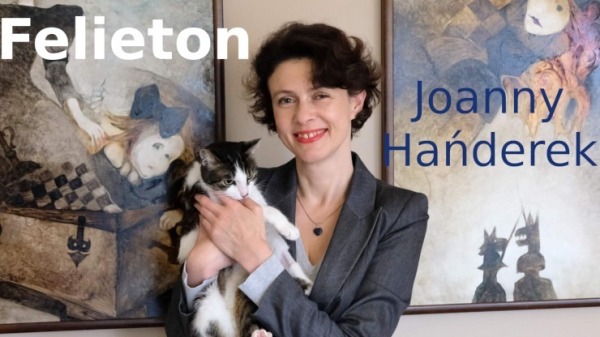
Dwa wydarzenia ostatniego czasu: zadeklarowanie przez Sannę Marin, premierkę Finlandii, chęci pomocy polskim kobietom oraz samobójstwo syna posłanki Magdaleny Filiks, pozornie nie są ze sobą powiązane. Deklaracja polityczna premierki Finlandii i koszmarna tragedia matki, która straciła syna, mają jednak drugie dno: nie doszłoby do nich bez pełzającej dyktatury w naszym kraju. O władzy opartej na pogardzie i strachu w dzisiejszym moim felietonie.
Europoseł Robert Biedroń, posłanki Beata Maciejewska, Wanda Nowicka i Katarzyna Kretkowska oraz poseł Krzysztof Śmiszek spotkali się w Helsinkach z fińską premierką Sanny Marin. Wszyscy byli zgodni: Polkom należy się wsparcie. Stąd propozycja Sanny Marin, by Polki mogły dokonywać aborcji w Finlandii, a podróż i sam zabieg były finansowane przez rząd fiński. Nie wiadomo jeszcze, czy ten gest ogromnej solidarności zostanie zrealizowany – przed Finlandią wybory, wszystko może się zdarzyć. Przeraża jednak to, że znaleźliśmy się w takiej katastrofalnej sytuacji, kiedy o dobro i zdrowie kobiet w Polsce musi się troszczyć obcy kraj. Co to znaczy dla nas? Czym się dla nas stała nasza ojczyzna?
Syn posłanki Magdaleny Filiks nie żyje. Popełnił samobójstwo. Najpierw został wykorzystany seksualnie, a później TVP Info i Radio Szczecin zrobiły sobie medialną sensację, ujawniając dane skrzywdzonego nastolatka. Dla młodego człowieka był to kolejny gwałt, kolejna dokonana na nim zbrodnia, tym razem w mediach publicznych. TVP Info to telewizja państwowa, całkowicie upartyjniona przez PiS, tuba propagandowa na wielką skalę. Zamiast informować, dezinformuje, zamiast przedstawiać problemy i rozwijać wrażliwość społeczną na kwestię pedofili, ujawniła dane, które pozwoliły na identyfikację młodych ludzi doznających tak okrutnej traumy. Przerażający to kraj, w którym nie ma szacunku dla osób doświadczających przemocy, w którym dziennikarze telewizji publicznej, ze swej istoty zobowiązanej do pełnienia misji informacyjnej i edukacyjnej, zabawiają się ludzkim kosztem. Co to znaczy dla nas? Czym się dla nas stała nasza ojczyzna?
Pełzająca dyktatura PiS-u coraz mocniej oddziałuje na nasze życie i nas zniewala. Jednym z elementów dyktatury jest permanentny strach. Obywatele i obywatelki mają się czuć niekomfortowo, mają sobie uświadamiać, że cokolwiek zrobią, cokolwiek im się przydarzy, prawo i propaganda mogą to obrócić przeciwko nim. Dla kobiet będących w ciąży informacja o wadach letalnych płodu nie tylko przekreśla ich marzenia o dziecku (które umrze po porodzie), ale może też okazać się wyrokiem śmierci dla nich samych. Bycie w ciąży to stan ryzyka, bo prokuratura w każdej chwili może oskarżyć lekarzy, że chcąc ratować zdrowie i życie kobiety, zabili „nienarodzone dziecko”. Kobiety mają się bać, lekarze mają się czuć zagrożeni, rodziny mają pozostawać w strachu. Społeczeństwo, które się boi, jest łatwo sterowalne – i o to chodzi pełzającej dyktaturze.
Osoby doświadczające przemocy powinny właśnie w instytucjach państwowych być traktowane z szacunkiem. Gdy pełzająca dyktatura umożliwia ich powtórne wiktymizowanie, społeczeństwo traci poczucie pewności. Skoro obywatele i obywatelki nie mają podstawowych praw, skoro odmawia im się minimum stabilizacji i zachowania godności, ojczyzna przestaje być ojczyzną – domem, miejscem bezpiecznym, tym, co kochane i swojskie. Upokorzenie jest drugim obok strachu czynnikiem rozgrywanym przez totalitarną władzę.
PiS rządzi w Polsce już drugą kadencję. Wydaje się to niezbyt długim okresem, ale lista zniszczeń jest ogromna. Największym problemem jest jednak odebranie ludziom poczucia bezpieczeństwa, wiary w to, że to jest nasze państwo, a więc miejsce, w którym żyjemy, możemy się rozwijać i realizować, możemy oczekiwać sprawiedliwości, zadośćuczynienia, opieki. Obywatele i obywatelki zostali tak naprawdę osaczeni ideologią wrogości wobec tego, co inne, oraz skłóceni różnymi ideologicznymi szaleństwami. W efekcie każdy z nas może być zagrożony, wystarczy tylko zajść w ciążę lub doświadczyć przemocy. Zniszczono dwie tak istotne sfery: rodzicielstwo i bezpieczeństwo, wzbudzając w nas równocześnie lęk. Kobieta w Polsce nie może już czuć się bezpieczna. Osoba doświadczająca przemocy staje się w naszym kraju wiktymizowana i stawiana poza prawem.
Co to znaczy dla nas? Czym się dla nas stała nasza ojczyzna? Czy mamy jeszcze ojczyznę?
Felieton jest wyrazem opinii autorki. Nie prezentuje stanowiska ZR Małopolskie.
OpenStreetMap is a map of the world, created by people like you and free to use under an open license.
OpenStreetMap is a map of the world, created by people like you and free to use under an open license.
unix111 lubi to.
OpenStreetMap is a map of the world, created by people like you and free to use under an open license.
OpenStreetMap is a map of the world, created by people like you and free to use under an open license.
OpenStreetMap is a map of the world, created by people like you and free to use under an open license.
OpenStreetMap is a map of the world, created by people like you and free to use under an open license.
Badania potwierdzają obiegową opinię, że im więcej zarabiasz, tym łatwiej o satysfakcję. Z pracy również. Według badania szanse na osiągnięcie satysfakcji pojawiają się gdzieś od poziomu zarobków 6000 zł netto, czyli około 7600 zł brutto.
OpenStreetMap is a map of the world, created by people like you and free to use under an open license.
OpenStreetMap is a map of the world, created by people like you and free to use under an open license.
OpenStreetMap is a map of the world, created by people like you and free to use under an open license.
OpenStreetMap is a map of the world, created by people like you and free to use under an open license.
Today, I spent the day working on my Open Street Mapping project. Specifically, I was focused on using Leaflet mapping for sports team transport management. This project is very important to me, as I believe that it will make a huge difference in the way that sports teams are able to travel to their various events.
First, I spent some time exploring the different features of Open Street Mapping, and learning how to use Leaflet to create interactive maps. I was amazed at how much data is available on Open Street Mapping - everything from street names to building outlines to points of interest.
Next, I began to work on my project in earnest. I started by creating a map of the area where the sports teams are located, and then began to add in the locations of all the different sports facilities and venues where they might need to travel to. I also added in information about the different modes of transportation that the teams might use - everything from buses to trains to airplanes.
As I worked, I was struck by how much easier this project was making things for the sports teams. With this interactive map, they will be able to quickly and easily see the best routes to take to their various events, and will be able to avoid traffic and other delays. They will also be able to see all of the different transportation options that are available to them, and will be able to choose the one that is most convenient and cost-effective.
Overall, I am very excited about this project and the potential impact that it could have. I am looking forward to continuing to work on it, and to seeing the ways in which it will make a difference in the lives of sports teams and their fans.
First, I spent some time exploring the different features of Open Street Mapping, and learning how to use Leaflet to create interactive maps. I was amazed at how much data is available on Open Street Mapping - everything from street names to building outlines to points of interest.
Next, I began to work on my project in earnest. I started by creating a map of the area where the sports teams are located, and then began to add in the locations of all the different sports facilities and venues where they might need to travel to. I also added in information about the different modes of transportation that the teams might use - everything from buses to trains to airplanes.
As I worked, I was struck by how much easier this project was making things for the sports teams. With this interactive map, they will be able to quickly and easily see the best routes to take to their various events, and will be able to avoid traffic and other delays. They will also be able to see all of the different transportation options that are available to them, and will be able to choose the one that is most convenient and cost-effective.
Overall, I am very excited about this project and the potential impact that it could have. I am looking forward to continuing to work on it, and to seeing the ways in which it will make a difference in the lives of sports teams and their fans.
Thilosha Nipunajith's Diary | Using leaflet maps for sports team routing | OpenStreetMap
OpenStreetMap is a map of the world, created by people like you and free to use under an open license.OpenStreetMap
OpenStreetMap is a map of the world, created by people like you and free to use under an open license.
OpenStreetMap is a map of the world, created by people like you and free to use under an open license.
Ecolieu des Perrières
OpenStreetMap is a map of the world, created by people like you and free to use under an open license.
OpenStreetMap is a map of the world, created by people like you and free to use under an open license.
OpenStreetMap is a map of the world, created by people like you and free to use under an open license.
You can’t use the cistern because it is locked by key. You don’t reach the water .
OpenStreetMap is a map of the world, created by people like you and free to use under an open license.
OpenStreetMap is a map of the world, created by people like you and free to use under an open license.
OpenStreetMap is a map of the world, created by people like you and free to use under an open license.
kwj@hub.hubzilla.de⚪🔵⚪🟡
•